If you're reading this, you've probably outgrown your current billing setup, or you're sizing up Hyperline against the rest of the market before you commit. Either way, you're in the right place.
Hyperline is a capable revenue platform, but it isn't the only option for teams running usage-based pricing, subscriptions, or complex quote-to-cash workflows. The best fit depends on what you actually need automated, how your pricing works, and where the bottleneck sits in your revenue operations today.
In this guide, we'll break down the strongest Hyperline alternatives in 2026, starting with the platform we think edges out the rest for modern SaaS and AI companies, then working through the other contenders honestly so you can see where each one shines and where it falls short. We'll cover features, pricing, ideal customer fit, and a simple framework for evaluating any billing platform before you sign.
What are Hyperline alternatives, and why look for one?
Hyperline is a quote-to-cash and usage-based billing platform built to automate quoting, contracts, invoicing, and revenue recognition for software companies.
It does a lot well. So why would you look elsewhere?
Usually it comes down to one of a few things.
- Maybe you need accounts receivable and collections automation that goes deeper than billing alone?
- Maybe your pricing has gotten complex enough that you want a single system handling quoting, billing, usage metering, and revenue recognition without stitching tools together?
- Maybe you're worried about percentage-of-revenue fees eating into margin as you scale?
- Or maybe you simply want to compare the field properly before making a decision you'll live with for years?
That last point matters more than people admit. Migrating billing systems is one of the most painful infrastructure changes a growing company will ever go through, so it pays to get the choice right the first time.
The stakes are real: in today's market, roughly half of U.S. B2B invoices are paid late, and around 8% are written off as bad debt, which is exactly why finance teams are so focused on reducing days sales outstanding (DSO) and closing the gaps where revenue leaks out.
A Hyperline alternative, then, is any platform that handles some or all of the same revenue workflows, billing, invoicing, usage metering, CPQ, revenue recognition, or collections, and does it in a way that fits your business better.
In this guide we list some platforms that are full end-to-end quote-to-cash platforms, like Alguna. Others are specialist tools focused on a single layer, like Orb or Metronome. Knowing which kind you need is half the battle.
Hyperline alternatives at a glance
Here's a quick comparison of the platforms we cover in this guide. We go deeper on each one in the sections below.
| Platform | Best for | Strengths | Limitations | Pricing |
|---|---|---|---|---|
| Alguna | SaaS, AI, and fintech teams that want quoting, billing, and AR in one end-to-end platform with an AI collections agent | Unifies CPQ, usage metering, billing, invoicing, rev rec, and an AI AR Agent in a single system of record; no revenue cut; white-glove onboarding | Newer to market, so the integration library is still growing compared with incumbents | Paid plans from $699/month, no percentage-of-revenue fee |
| Chargebee | Subscription-first SaaS adding usage components, with broad payment gateway coverage | Mature subscription engine, 35+ payment gateways, deep docs, strong global tax coverage | Usage-based billing is less flexible; advanced rev rec and retention gated behind add-ons; overage fees stack up | Free Starter up to $250K cumulative billing; Performance $599/month; 0.75% overage |
| Maxio | Finance-led B2B SaaS teams that prioritize ASC 606 revenue recognition and investor-ready reporting | Built-in rev rec, strong SaaS metrics dashboards (MRR, ARR, churn), audit-ready reporting | Usage billing runs in batch rather than real time; interface feels dated; implementation takes effort | Free Build sandbox; Grow $599/month up to $100K monthly billings; Scale is quote-only |
| Orb | API-first and developer-led companies running pure usage-based or hybrid pricing | Real-time metering, flexible pricing logic, clean developer experience, strong data warehouse integrations | Sits on the billing side only, so it doesn't address quoting, contracts, or collections; needs engineering involvement | From around $720/month (billed annually) up to $100K monthly volume; 0.8% overage |
| Stripe Billing | Early-stage teams already on Stripe with straightforward usage models and low event volumes | Tight integration with Stripe payments, huge ecosystem, fast to get started, well-documented APIs | Built as a companion to payments, not full-stack billing; limits show with enterprise contracts, e-invoicing, and rev rec | Percentage of billing volume on top of standard payment processing fees |
| Metronome | AI and infrastructure companies with high event volumes and complex committed-spend contracts | Real-time event ingestion at scale, flexible pricing building blocks, decouples pricing from metering, native Stripe integration | Metering engine rather than full billing, so no quoting, contracts, or collections; engineering-heavy; post-Stripe-acquisition roadmap uncertain | Free Starter tier; custom pricing for scaling teams; not publicly listed |
The 6 best Hyperline alternatives in 2026
1. Alguna
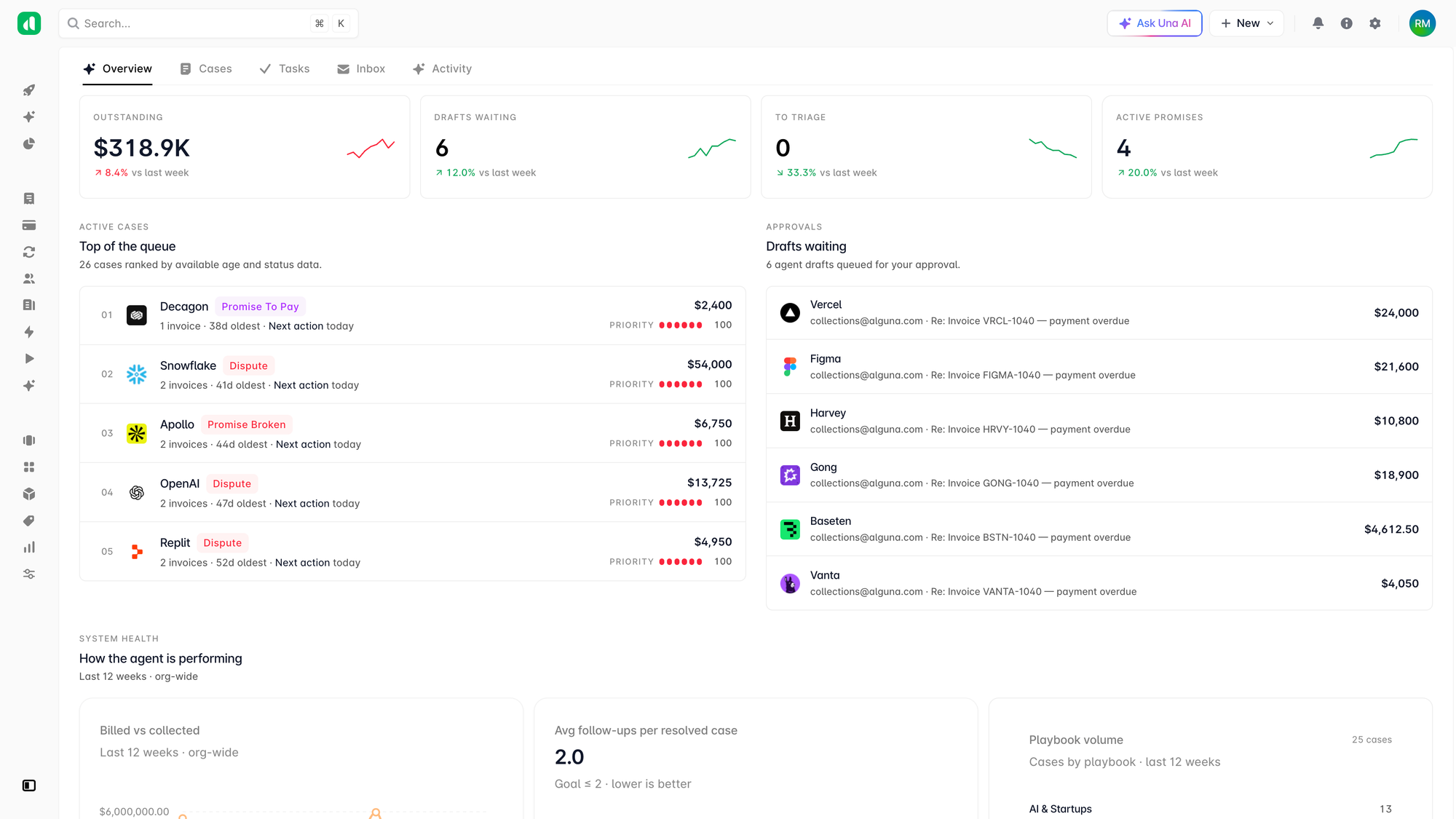
Alguna is an AI-native, end-to-end quote-to-revenue platform built specifically for modern SaaS, AI, and fintech companies that want to unify CPQ, pricing, billing, usage metering, invoicing, and revenue recognition in a single system. It also layers an AI accounts receivable agent on top to handle collections.
Backed by Y Combinator and Mango Capital, the team set out to put an end to revenue leakage for good.
Key features
- Launch and experiment with new pricing models: From prepaid with overages to tiered, graduated, pay-as-you-go, or hybrid subscriptions, Alguna supports all major SaaS pricing models and AI pricing models.
- Real-time usage metering: Alguna captures every usage event the moment it happens whether that’s API calls, tokens, data, or something else. This means finance teams never have to wait for batch jobs or reconcile data across multiple products (or spreadsheets), ensuring accurate, up-to-date billing data at all times.
- Set up hybrid and credit-based billing: Combine subscriptions, usage charges, and one-off add-ons on a single invoice. Native credit and token support also enables modern AI agent pricing models or prepaid consumption bundles.
- Transparent invoicing and co-terming: Customers see live usage dashboards and projected charges in-platform, reducing billing disputes and improving trust. Alguna also automates co-terming, proration, and consolidated invoicing to keep billing consistent as contracts change.
- Automate revenue recognition: Alguna automates revenue recognition, dunning, and smart payment retries. With built-in ASC 606/IFRS 15 compliance, finance teams can close books faster while cutting revenue leakage.
- Connect to the rest of your tech stack: Alguna offers native integrations with table stakes CRMs including Salesforce and HubSpot along with accounting tools like QuickBooks, Xero, and NetSuite for financial reporting. Webhooks and API are available for custom needs.
- AI AR agent: An autonomous accounts receivable agent that runs collections cadences and playbooks, captures promise-to-pay commitments, detects disputes, and lets you choose monitor, suggest, or act modes with approval thresholds and hard-coded guardrails.
- Integrations: native connections with Salesforce, HubSpot, Stripe, and your general ledger, plus multi-currency support across USD, EUR, GBP, and more.
Pros
- Covers the full revenue lifecycle, from quote to cash to collections, in one system of record
- The AI AR Agent automates the collections work that other billing tools leave to your team
- Fast onboarding, with most teams going live in weeks for the full platform or days with the AR agent
- Transparent pricing with no percentage-of-revenue cut, so costs stay predictable as you scale
- Strong white-glove support, as ComplyAdvantage's Director of Growth Marketing, Marc Koskela, put it: "Alguna definitely went the extra mile"
Cons
- Newer to market (founded same year as Hyperline) than legacy incumbents, so the breadth of pre-built integrations is still growing
- Purpose-built for modern and complex pricing, so it's more than you need if you only require basic flat-rate subscriptions
Best for
- SaaS, AI, and fintech teams that want quoting, billing, and AR in one unified platform instead of stitching together point tools and spreadsheets
- B2C teams that want to collect faster and reduce DSO
- Fast-growing companies that need to onboard customers quickly and keep revenue operations on autopilot
- Finance and RevOps teams running usage-based, outcome-based, or hybrid pricing who want collections handled by an AI agent
Pricing: Alguna offers transparent pricing with paid plans starting at $699/month, which includes white-glove onboarding and migration. Alguna never takes a revenue cut.
Quoting, billing, usage metering, revenue recognition, and collections, all in one system of record. Book your personalized demo and we'll map it to your exact revenue stack.
2. Chargebee
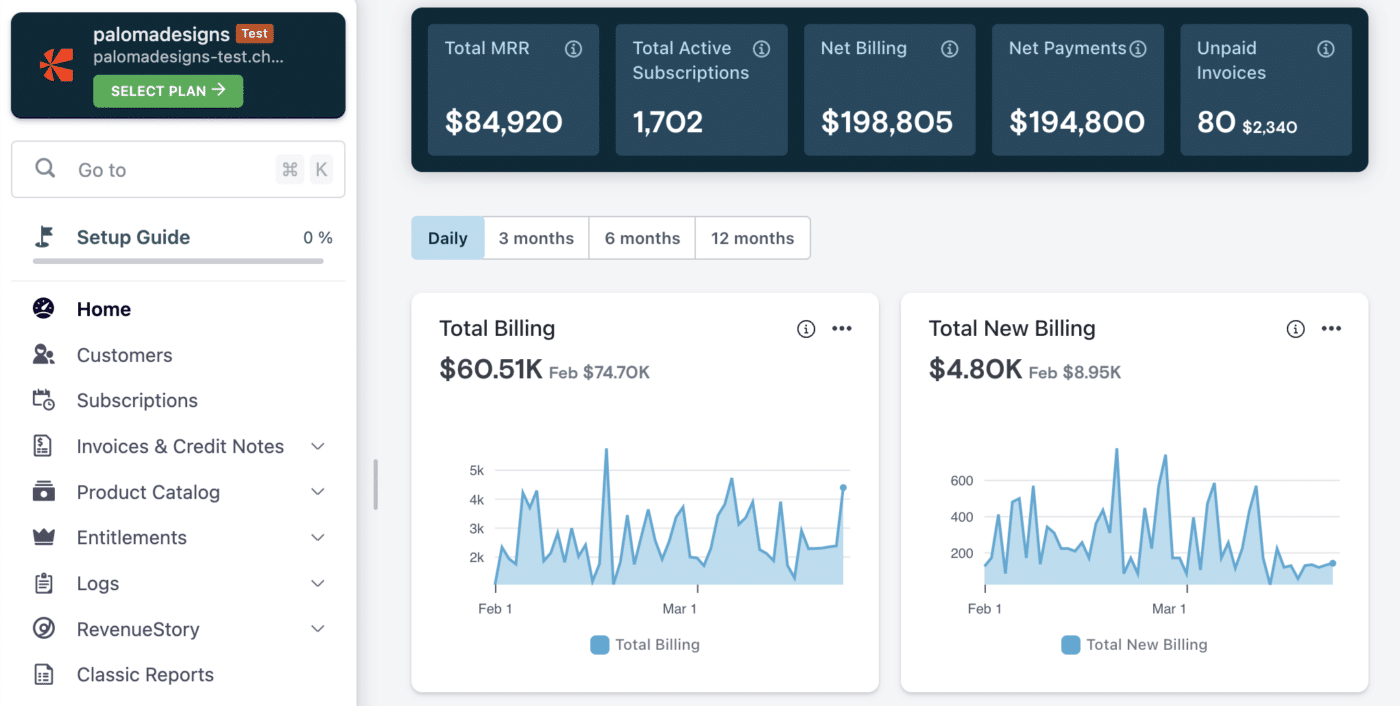
Chargebee is a long-established subscription management and billing platform, popular with SaaS and mid-market companies that need a mature recurring-billing engine. In recent years it has expanded into usage-based billing and added a CPQ module, so it now covers more of the quote-to-cash workflow than it once did. If your revenue is mostly subscription-led with some usage on top, Chargebee is a credible Hyperline alternative.
The trade-off is depth versus flexibility. Chargebee's subscription engine is excellent, but companies where usage is the primary pricing mechanism tend to find the metered capabilities less flexible than purpose-built usage platforms. Several essential features, like advanced revenue recognition and retention tooling, sit behind separate add-on products, and the revenue-based overage fees can make the real cost climb faster than the sticker price suggests.
Key features
- Subscription billing: a flexible recurring-billing engine that supports seat-based, tiered, usage-based, and hybrid models, with strong proration and dunning handling for online and offline payments
- Payment gateway coverage: integrations with 35+ payment processors, which is useful if you need multi-gateway support or sell across many regions
- Analytics and retention: dashboards for MRR, churn, and lifetime value, plus a separate retention product aimed at reducing cancellations
Pros
- Mature, battle-tested subscription engine with deep documentation
- Broad payment gateway and global tax support
- Generous free tier for early-stage companies under the billing threshold
Cons
- Usage-based billing is a bolt-on rather than a core capability
- Key features like revenue recognition and retention require paid add-on modules
- Overage fees and annual commitments can push the real cost well above the list price
Best for
- Subscription-first SaaS companies that need a reliable recurring-billing backbone
- Teams that want billing configured and managed by non-engineers
- Companies that need deep pre-built integrations with many payment gateways
Pricing: Chargebee offers a free Starter plan covering the first $250,000 in cumulative billing, a Performance plan at $599/month for up to $100K in monthly billing, and custom Enterprise pricing. A 0.75% overage fee applies beyond plan thresholds, and paid plans require an annual commitment.
3. Maxio
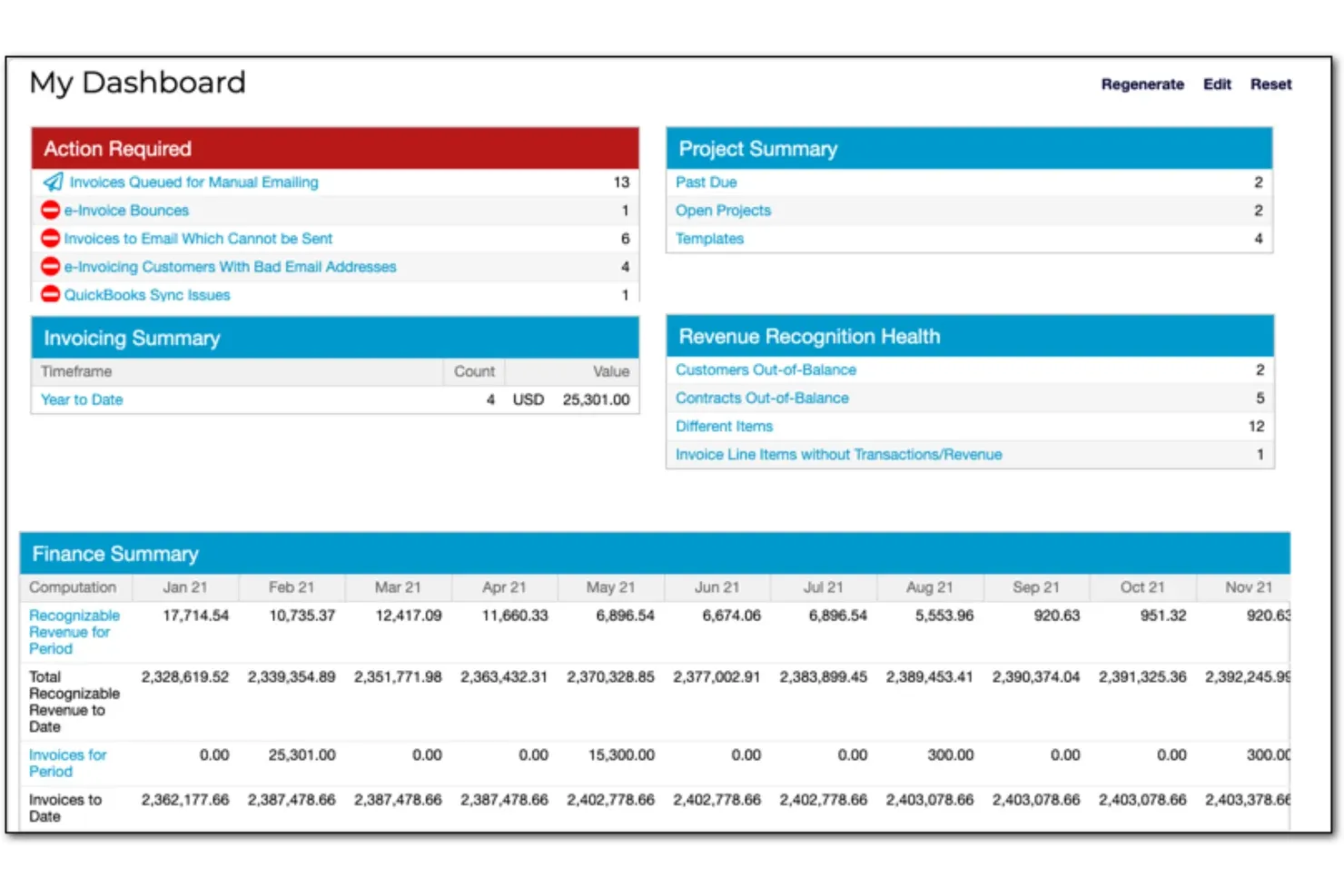
Maxio was formed from the merger of SaaSOptics and Chargify, and that heritage shows in its strengths. It's a finance-first billing and revenue-management platform that gives CFOs something pure billing tools often don't: ASC 606 revenue recognition built directly into the billing workflow, alongside detailed SaaS metrics like MRR, ARR, churn, and expansion reporting that finance leaders and investors actually want to see.
If your priority is financial compliance and reporting rather than real-time metering, Maxio is a strong Hyperline alternative. The catch is that its usage billing relies on batch processing rather than real-time metering, the interface feels dated to some users, and implementation tends to require more effort than newer platforms. It's a finance team's tool first and a product team's tool second.
Key features
- Revenue recognition: GAAP and ASC 606 compliant rev rec built into the billing workflow, so finance teams can close the books without a separate tool
- SaaS metrics and reporting: investor-ready dashboards covering MRR, ARR, churn, and expansion, which is a major draw for venture-backed companies
- Subscription and usage billing: recurring and event-based billing across the full subscription lifecycle, including A/R management
Pros
- Built-in, audit-ready revenue recognition
- Strong native SaaS metrics and investor-focused reporting
- One platform for billing, rev rec, and reporting
Cons
- Usage billing is batch-based rather than real time
- The interface feels dated and can be harder for non-technical users to navigate
- Implementation and configuration take meaningful effort
Best for
- Finance-led B2B SaaS teams that prioritize compliance and reporting
- Venture-backed companies that need investor-ready financial metrics
- Businesses with relatively stable, subscription-heavy billing models
Pricing: Maxio offers a free Build sandbox for testing, a Grow plan at $599/month covering up to $100,000 in monthly billings, and a quote-only Scale plan for higher volumes and advanced requirements. Implementation and professional services are typically quoted separately.
4. Orb
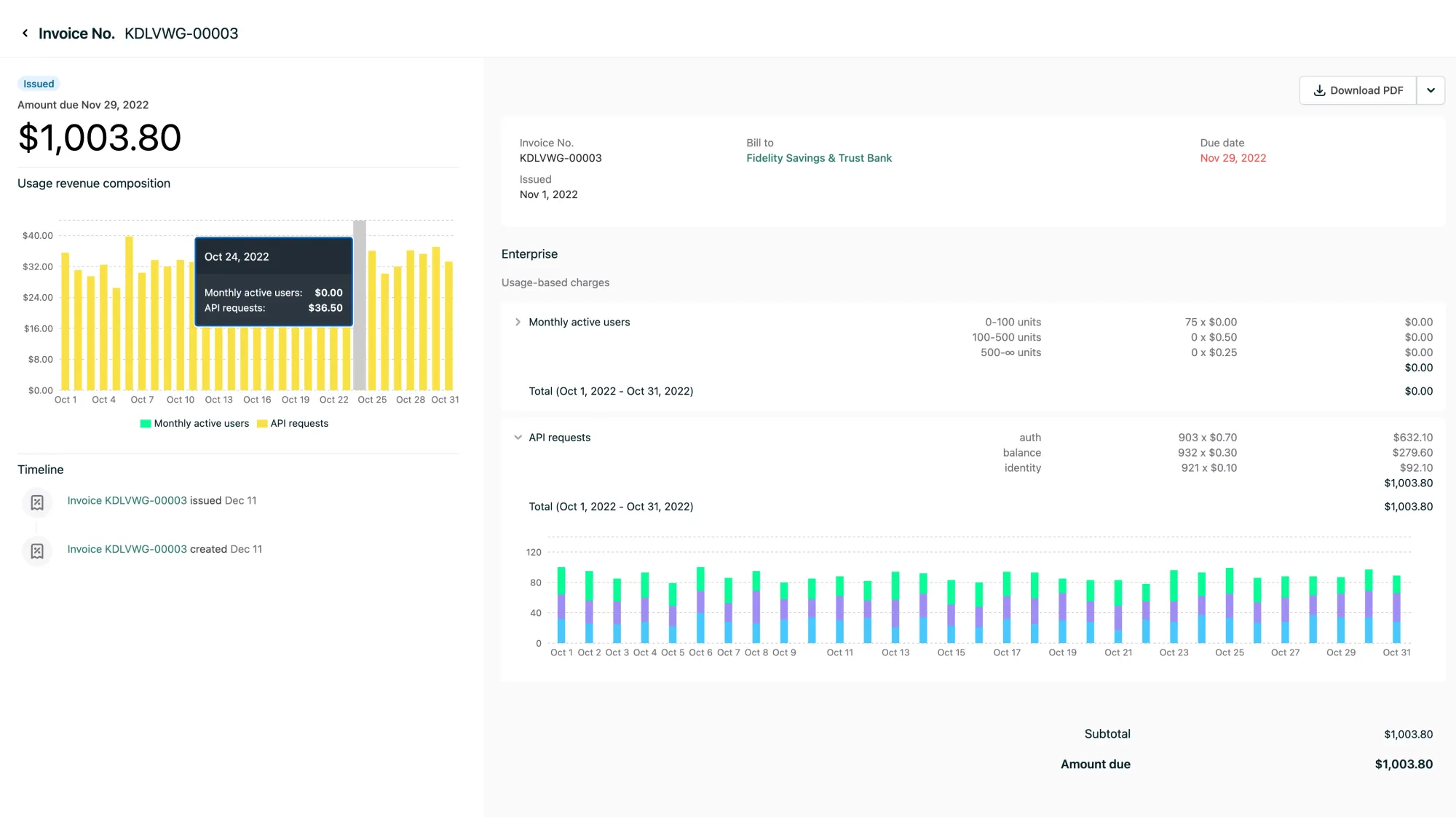
Orb is a usage-based billing platform built for API-first and developer-led companies. If your product charges per API call, token, event, or compute unit, and you want real-time metering with flexible pricing logic that isn't locked into rigid templates, Orb is one of the cleaner options on the market. It connects product usage data, pricing logic, and revenue workflows so teams can test and launch pricing changes without rewriting their backend.
The honest limitation is scope. Orb sits squarely on the billing side. It doesn't address quoting, contracts, or collections, so it's a partial solution if you're looking to consolidate the whole quote-to-cash and AR workflow into one system. It also expects a degree of engineering involvement, which suits developer-owned billing but less so finance-owned billing.
Key features
- Real-time metering: ingests raw usage data and rates it in real time, which suits high-volume, consumption-based products far better than batch processing
- Flexible pricing engine: supports tiers, overages, credits, and minimum commitments without hardcoded logic, so pricing experiments don't require a code deploy
- Data integrations: connects to data warehouses and accounting software, with a direct SQL editor for custom data manipulation
Pros
- Strong real-time metering and pricing flexibility
- Clean developer experience with less implementation overhead than legacy tools
- Good fit for product-led and API-first businesses
Cons
- Covers billing only, not quoting, contracts, or collections
- Requires engineering involvement to set up and maintain
- Partial fit for companies that want one end-to-end revenue system
Best for
- API-first and developer-led companies running pure usage-based pricing
- Product-led growth teams that treat billing as a strategic engine
- Engineering-owned billing where developer experience is the top criterion
Pricing: Orb starts at around $720/month, billed annually, covering up to $100K in monthly billing volume, with an overage fee of roughly 0.8% on additional billings. Larger deployments are custom-priced.
5. Stripe Billing
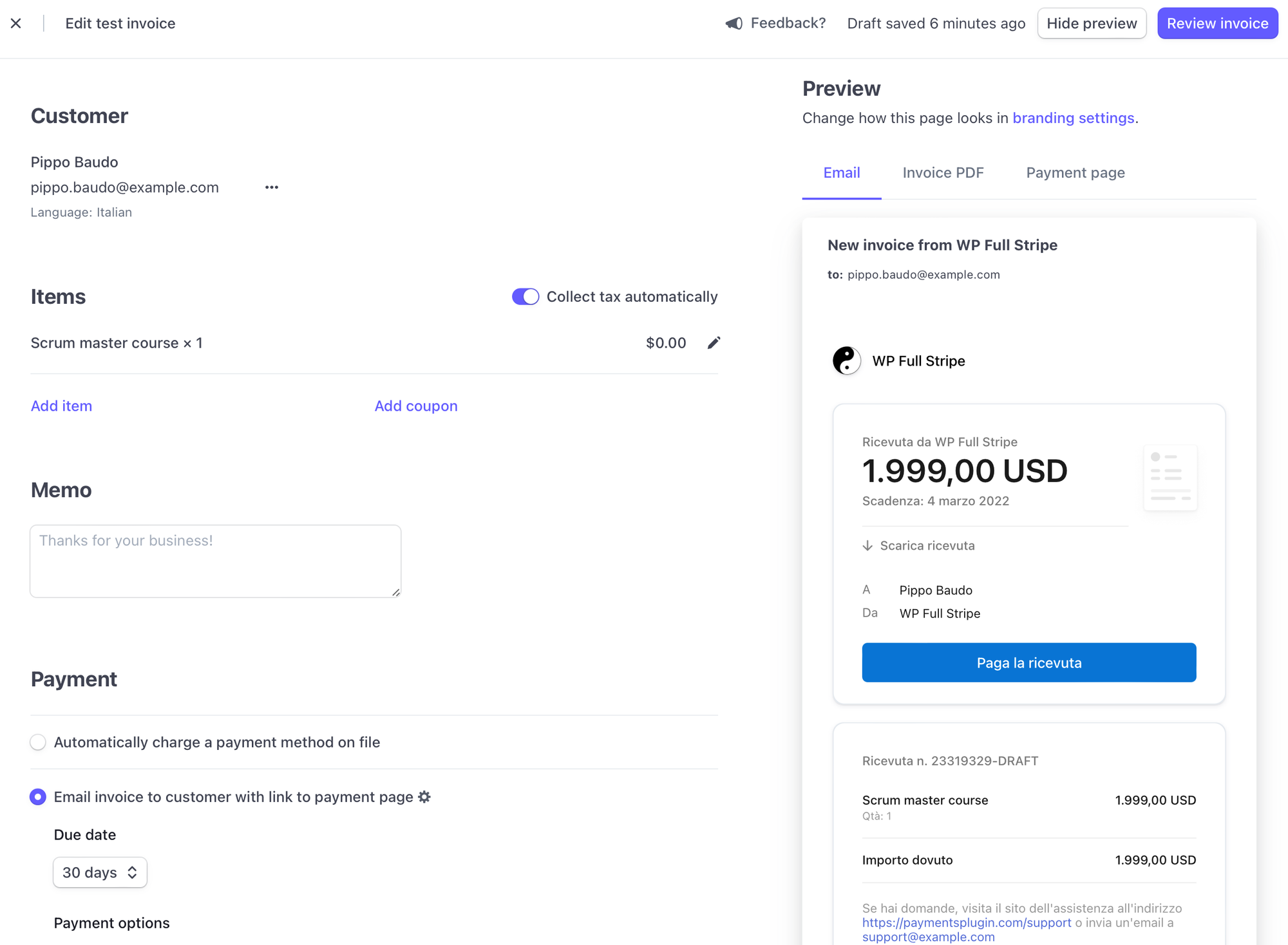
Stripe Billing is the natural starting point for teams already using Stripe for payments. It adds subscriptions and metered billing on top of the payment rails you may already be running, with the same well-documented APIs and enormous integration ecosystem that made Stripe popular in the first place. For early-stage companies with straightforward usage models and low event volumes, it's hard to beat for speed to launch.
Billing gets complicated fast, though. Stripe Billing was built as a companion to Stripe payments rather than as a full-stack billing and revenue platform. Once you layer on usage-based pricing at scale, enterprise contracts with custom commitments, multi-entity invoicing, global e-invoicing mandates, or GAAP-ready revenue recognition, the limits start to show, and many teams eventually look to consolidate CPQ, billing, and rev rec elsewhere.
Key features
- Subscriptions and metered billing: recurring and usage-based billing that combines fixed and metered charges on a single invoice, tightly coupled to Stripe payments
- Developer-friendly APIs: mature, well-documented APIs and SDKs that make initial integration quick for engineering teams
- Ecosystem: a large third-party integration marketplace and broad global payment coverage
Pros
- Seamless if you already process payments through Stripe
- Fast to set up with excellent documentation
- Huge ecosystem and broad payment method support
Cons
- Built as a payments companion, not a full quote-to-cash platform
- Shows its limits with enterprise contracts, e-invoicing, and revenue recognition
- Often becomes one of several tools you have to stitch together as you scale
Best for
- Early-stage teams already on Stripe with simple billing needs
- Companies with low event volumes and straightforward usage models
- Engineering teams comfortable handling tax and compliance separately
Pricing: Stripe Billing charges a percentage of billing volume on top of standard Stripe payment processing fees, so the total cost depends on your invoiced revenue and how many billing features you use.
6. Metronome
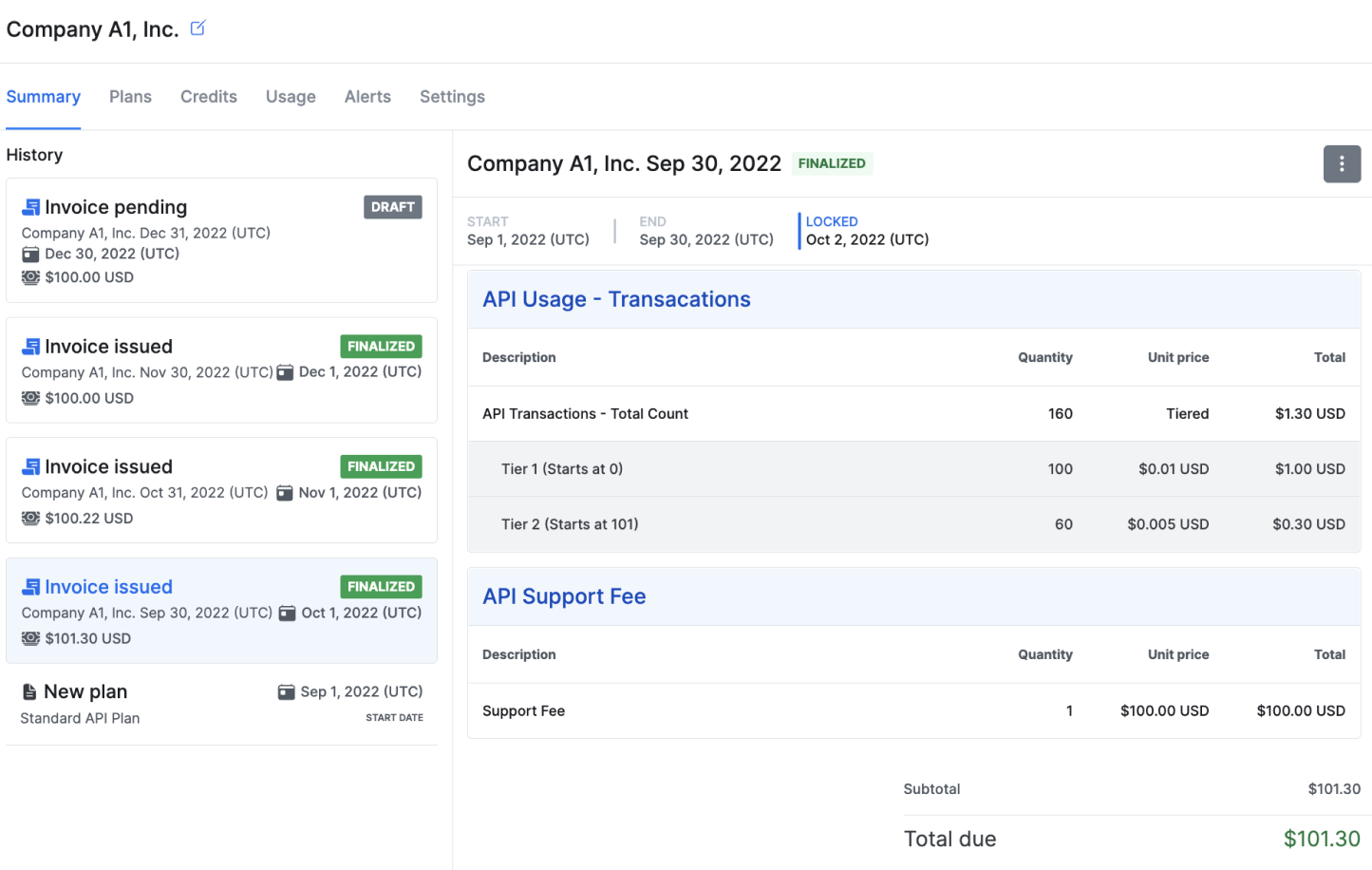
Metronome is a usage-based billing and metering platform built for companies where billing accuracy depends on precise usage math at scale. Rather than focusing on invoices directly, it specializes in ingesting large volumes of raw usage events, applying rating logic, and producing clean, billable usage outputs that flow into Stripe or another system for invoicing. It shows up most often in AI and infrastructure companies, where an error in usage calculation translates directly into revenue risk. Metronome was acquired by Stripe in 2024 and now operates as a standalone product with native Stripe integration.
Its biggest strength is also the boundary of its scope. Metronome is exceptional at real-time event ingestion and flexible pricing building blocks, and it decouples pricing from metering so you can change pricing metrics without touching your data pipeline. But it's a metering engine more than a full billing suite, which means it doesn't handle quoting, contracts, or collections, and more advanced hybrid models often need custom engineering. If you want one platform to run the entire quote-to-cash and AR workflow, Metronome is a powerful piece rather than the whole picture.
Key features
- Real-time event ingestion: ingests high-volume usage events from multiple sources and aggregates them in real time, which suits API, data, and infrastructure products with heavy consumption
- Flexible pricing building blocks: supports per-unit fees, volume tiers, block pricing, minimums, overages, credits, and fully configurable enterprise contracts, with pricing decoupled from the underlying metering
- Account hierarchy and exports: manages billing across sub-accounts and business entities, with audit-ready usage and billing data exports for reconciliation and reporting
Pros
- Best-in-class real-time metering for high event volumes
- Flexible enough to support both product-led plans and complex committed-spend contracts
- Native Stripe integration, which is a plus for Stripe-native companies
Cons
- A metering engine rather than a full billing platform, so it doesn't cover quoting, contracts, or collections
- Requires meaningful engineering involvement, and advanced hybrid pricing can need custom workarounds
- The post-acquisition roadmap may shift toward deeper Stripe integration at the expense of standalone features, which is worth understanding before you commit
Best for
- AI and infrastructure companies with high event volumes where usage accuracy is mission-critical
- Enterprise teams with complex committed-spend contracts
- Stripe-native companies that need advanced metering on top of their existing stack
Pricing: Metronome offers a free Starter tier for teams launching usage-based products, with custom pricing for scaling companies that need invoicing integrations, data exports, and dedicated support. List pricing isn't publicly available, and Stripe payment processing fees apply separately.
How to evaluate billing and quote-to-cash software
The market is crowded, and most platforms look similar on a feature checklist. The differences show up once real billing complexity hits. Here's how we'd evaluate any Hyperline alternative before committing.
Start with the scope you actually need. Be honest about which parts of your revenue process you want automated. Do you only need metering and invoicing, or do you need quoting, contracts, revenue recognition, and collections too? A specialist tool that nails one layer can be the wrong choice if you'll just end up bolting three more tools around it. If you want fewer systems and one source of truth, a true end-to-end platform saves you the integration tax later. Our guide to quote-to-cash software walks through this trade-off in more detail.
Pressure-test the hard scenarios. Ask each vendor how they handle mid-cycle plan changes, custom pricing exceptions, proration, and billing errors. That's where real complexity lives, and it's where many platforms quietly fall back on engineering workarounds. The ones that handle these cleanly, without a ticket to your dev team, are the ones where billing genuinely runs on autopilot.
Check whether finance can move without engineering. If every pricing change or new plan requires a code deploy, your billing system becomes a bottleneck. Look for no-code configuration that lets RevOps and finance launch and iterate on pricing themselves. This is especially important if you're experimenting with usage-based or hybrid pricing models.
Model the total cost, not the sticker price. Watch for percentage-of-revenue fees, overage charges, gated add-on modules, and implementation costs that never appear on the pricing page. A platform that looks cheap at $599/month can land at several thousand once overages and modules stack up. Predictable pricing with no revenue cut is worth a premium for the peace of mind alone.
Look at collections, not just billing. Most billing tools stop at sending the invoice. But getting paid is the part that protects your cash flow. If reducing DSO and chasing fewer invoices manually matters to you, evaluate whether the platform automates dunning, collections, and dispute handling, or whether you'll need a separate accounts receivable solution. An embedded AI AR agent can close that gap entirely.
Weigh implementation time and support. A platform is only as good as your ability to get live on it. Ask about onboarding timelines, migration support, and whether you get hands-on help or a knowledge base and a chatbot. For revenue and invoicing, which are sensitive areas, that support quality matters more than almost anything else.
Frequently asked questions about Hyperline alternatives
What is the best Hyperline alternative?
It depends on what you need. For teams that want quoting, billing, usage metering, revenue recognition, and AI-driven collections in one end-to-end platform, Alguna is our top pick. If you're subscription-first, Chargebee is strong; if you're finance-led and compliance-focused, Maxio fits well; if you're API-first, Orb is a clean choice; if you run high event volumes where metering accuracy is critical, Metronome is hard to beat; and if you're early-stage on Stripe, Stripe Billing is the quickest start.
How does Hyperline compare to Alguna?
Both are modern quote-to-cash platforms that automate quoting, billing, and revenue recognition for software companies, so they overlap on the core workflow. The main difference is scope and cost structure. Alguna extends past billing into accounts receivable with its AI AR Agent, which runs collections cadences, captures promises to pay, and handles disputes automatically, so getting paid is part of the platform rather than a separate tool. Alguna also prices with a flat monthly fee and no percentage-of-revenue cut, whereas Hyperline's publicly referenced plans pair a monthly fee with a revenue-based component that grows as you scale. If you want billing plus autonomous collections in one system with predictable costs, Alguna is the stronger fit; if you only need the quote-to-cash layer, both are worth a look. Hyperline is typically better suited for early stage startups whereas Alguna caters to scaling companies and enterprises.
Does Hyperline charge a percentage of revenue?
Hyperline's publicly referenced plans pair a monthly platform fee with a percentage-of-revenue component. If predictable costs that don't scale with your revenue matter to you, that's worth confirming directly with the vendor and comparing against alternatives like Alguna, which doesn't take a revenue cut.
Can these platforms handle usage-based billing?
Yes, though the depth varies. Purpose-built platforms like Alguna and Orb meter usage in real time, while subscription-first tools like Chargebee and finance-first tools like Maxio support usage as more of an add-on, sometimes with batch rather than real-time processing. If usage is your primary pricing mechanism, prioritize platforms built for it natively.
Which alternative is best for reducing DSO?
Reducing DSO is about collections, not just billing. Most billing platforms stop once the invoice goes out. Alguna is built differently: its AI AR Agent runs collections cadences, captures promises to pay, and handles disputes automatically, which is exactly the work that drives DSO down. You can read more in our overview of AI-driven AR platforms.
How long does it take to switch billing platforms?
It varies widely. Legacy enterprise platforms can take three to six months and often need external consultants. Modern platforms move faster. With Alguna, most teams go live in weeks for the full platform, or in days for the AR agent specifically, with migration handled largely behind the scenes.
The right billing platform pays for itself in cash you stop leaving on the table
Every platform on this list can send an invoice. The real question is how much of your revenue process you want to stop managing by hand, and how much cash you're willing to keep leaving uncollected while invoices age. Hyperline is a solid option, but if you want quoting, billing, usage metering, revenue recognition, and collections working together in one system, with an AI agent doing the chasing for you, the field narrows quickly.
That's the gap Alguna was built to close. As Juan Burgos, Co-founder and CEO at Haven AI, put it after going live: "Once I sign up a customer and we get them deployed, everything's on autopilot. I don't have to think about it anymore." That's the bar a modern revenue platform should clear.
See what Alguna can do for your revenue health
Chasing payments, reconciling invoices, and managing billing complexity by hand is a drain on your finance team and your cash flow. Alguna takes that off your plate, from quote to cash to collections, in one single platform.