There's no shortage of Aria Systems competitors. Looking at the past five years alone, new billing and quote-to-cash platforms have entered the market offering greater speed and flexibility while handling complex hybrid pricing models.
If Aria Systems is on your shortlist, or already running your billing, you're probably here for one of three reasons.
- Your pricing has changed faster than Aria can keep up with
- Your billing setup turns into an admin mission every time you run it
- You're doing due diligence before you commit to another multi-year contract
In this guide, we'll cover what Aria Systems actually does, compare seven Aria systems competitors, look specifically at Aria Systems vs Zuora since those two are frequently compared, and walk through how to evaluate a switch without breaking your invoicing.
Let's dive in.
What is Aria Systems, and why teams look for alternatives?
Aria Systems is a billing and monetization platform built for large enterprises with complex recurring and consumption-based revenue.
Its core product, Aria Billing Cloud, runs on a rating and charging engine called Aria Allegro, which turns raw usage activity into billable transactions in real time. Around that sit modules for revenue recognition, workflow, data export, a bill portal, and an AI layer called Aria Billie.
The company targets communications, media, software, IoT, healthcare, and financial services, and it names customers including Comcast, Experian, Philips Healthcare, and Telstra.
So why do teams still look for Aria Systems alternatives?
5 reasons teams look for Aria Systems alternatives
We talk to companies running evaluations like this most weeks, including teams weighing a move off Aria Billing Cloud and Aria Allegro, and the same problems come up almost every time.
- Account hierarchies that don't bend. This is the single most common theme we hear. Companies with franchise, multi-location, or reseller structures need a parent account billed for activity across dozens or hundreds of child accounts, with the right charges rolling up and the right ones staying separate.
Most enterprise billing platforms can technically represent a hierarchy, but the day-to-day reality teams describe involves manual workarounds to get invoices out correctly each cycle. - Reporting that breaks at volume. A pointed version of this we hear often: pulling a large payment report crashes the system outright. Less dramatic but just as costly are the everyday gaps, like limited filtering, custom reports that need a services ticket, and no clear view of parent bill dates in the interface. When the billing system can't answer a question, someone exports to a spreadsheet, and the spreadsheet becomes the real source of truth. And if you're going back to spreadsheets, you're going back to square one.
- Currency and bulk pricing changes. Teams running international, multi-brand operations describe multi-currency management as a persistent friction point, and bulk pricing updates across many locations as slower than the business needs. Custom promotional discounting tends to fall outside what the platform supports natively, which pushes it back into manual work or a workaround object.
- Quoting still lives in another system. Aria connects to CRM and CPQ tools rather than replacing them. In practice, that often means Aria plus Salesforce CPQ, two catalogs, and a handoff between them. Teams tell us they want quoting, approvals, and billing aligned tightly enough that a credit or remediation request doesn't turn into a manual chase across systems, and that they'd rather approve it through a single workflow than reconcile two.
- Commercial and implementation weight. Every tier is a custom quote, and named modules including revenue recognition, the bill portal, and the AI layer are quoted separately, which makes total cost hard to model before a sales cycle. Standing up a telecom-grade rating engine also typically means a multi-month services engagement, a long wait if you need to launch new pricing this quarter.
None of this makes Aria a bad platform. It makes it a specific one, built for a specific shape of problem. The question worth asking is whether your complexity actually lives in usage volume, which is what Aria was designed for, or in account structure, reporting, and the gap between quoting and billing, which is where most of the frustration we hear actually sits.
Aria systems competitors at a glance
| Platform | Best for | Strengths | Limitations | Pricing |
|---|---|---|---|---|
| Alguna | SaaS, AI, and fintech companies that want CPQ, billing, and revenue recognition in one system | Hybrid pricing, no-code billing rules, built-in CPQ and e-signature, fast implementation, transparent pricing | Newer platform, so its library of pre-built integrations is still growing | Free starter tier, then $699/month, with custom enterprise pricing |
| Aria Systems | Very large enterprises in telecom, media, and IoT with high-volume usage rating | Real-time rating and charging at scale, deep enterprise catalog, long track record | Parent/child hierarchy billing often needs manual workarounds, reporting strains at volume, multi-month implementations, modules quoted separately | Custom quote across Standard, Premium, and ACE tiers |
| Zuora | Large enterprises with complex, multi-entity monetization needs | Supports 50+ pricing models, deep Salesforce integration, mature enterprise functionality | Steep learning curve, 30 to 90 day implementation, resource-intensive to maintain | Custom quote, enterprise-oriented |
| BillingPlatform | Enterprises with unusual billing logic that doesn't fit a standard catalog | Highly configurable data model, strong revenue recognition and collections modules | Complex implementation, slow non-production environments, limited error handling | Custom quote, priced on billing volume, usage records, and users |
| Chargebee | Mid-market SaaS teams that want an established platform with a large partner ecosystem | Mature product, strong support, wide integration library | Revenue-share pricing gets expensive at scale, invoice customization is limited | From $0 + 0.8% of billing value, or $99/month + 0.65% |
| Sequence Billing | Fast-growing B2B SaaS companies with complex negotiated contract terms | Quoting and billing connected in one workflow, strong approval controls, highest G2 rating here, published entry price | CPQ and revenue recognition are paid add-ons, bespoke pricing above $1M revenue, not built for telecom-scale rating | From $799/month, bespoke above $1 million in revenue |
| Maxio | B2B SaaS finance teams focused on metrics reporting and revenue recognition | Strong financial reporting, established SaaS customer base | Reporting customization is limited, setup takes real effort | $599/month up to $100,000 in monthly billings, custom above that |
| Orb | High-growth infrastructure and AI companies with complex usage pricing | High-throughput event ingestion, custom SQL metrics, hybrid billing support | Younger platform, still building out its enterprise feature set | Custom quote, based on billings issued and events ingested |
Pricing reflects publicly listed rates at the time of writing and can change. Always confirm current pricing directly with each vendor.
7 Aria Systems alternatives
1. Alguna
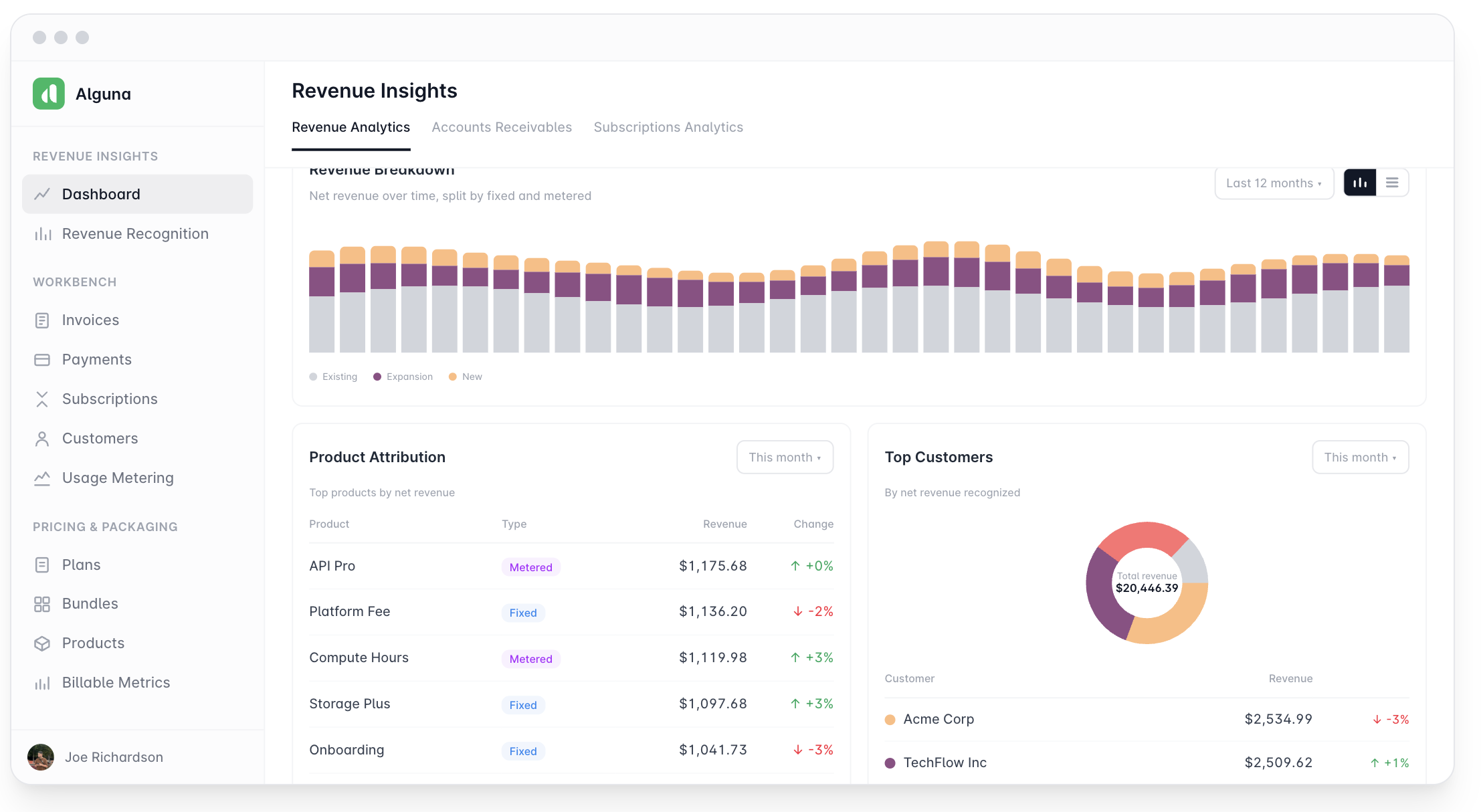
Alguna is a modern pricing, quoting, and billing platform built for AI, SaaS, and fintech companies running hybrid pricing models.
The difference from the enterprise incumbents in this list is architectural. Most platforms handle billing after a deal closes and connect to a separate CPQ system for the quoting that happens before it. Alguna was built as one system, so the quote a rep sends, the invoice finance issues, and the revenue the books recognize all run off the same data model. This means no middleware, no reconciliation between two catalogs.
That matters most for companies whose pricing doesn't sit neatly in one bucket. If you're selling a platform fee plus consumption plus a per-outcome component, with a ramp in year two and a negotiated overage rate, that's the kind of contract that turns into manual spreadsheet work in most systems.
Key features:
- Real-time usage metering paired with no-code billing rules, so finance can configure recurring, usage-based, and hybrid plans, overage charges, and grandfathering rules without filing an engineering ticket
- Built-in CPQ with e-signature and contract management, so sales can build, send, and close a quote in minutes rather than routing it through a separate quoting tool
- Invoicing that supports consolidated or split billing for customers sitting on multiple plans across multiple entities
- Automated revenue recognition that connects directly to QuickBooks, Xero, and NetSuite, so the books stay accurate without manual reconciliation
- Native multi-entity billing for companies operating across regions or subsidiaries, included rather than sold as a separate module
- Unlimited event ingestion and unlimited team seats on every tier, including the free one
- Soc 2 and GDPR compliant
- Adam Liska, CEO and Co-founder at Airspeed
Read case study
Pros:
- No-code configuration means pricing changes ship in hours
- CPQ, billing, and revenue recognition run on one data model, so quotes and invoices can't drift apart
- Fixed pricing (rare in this category), Alguna never takes a revenue cut
- White-glove migration is included from the Growth tier up, with a documented parallel-run process
- A free tier and a 30-day trial make it realistic to test the platform before committing
Cons:
- As a newer entrant, its catalog of pre-built integrations is smaller than what Zuora or Aria Systems offer
- Not built for telecom-scale or focused media companies per se
Best for:
- AI, SaaS, and fintech companies running hybrid or usage-based pricing
- Teams that want CPQ and billing unified instead of stitched together with middleware
- Multi-entity businesses that need consolidated billing and revenue recognition without buying add-on modules
Pricing: Alguna's Starter tier is free, covering up to 10 monthly invoices with fixed and usage-based billing. The Growth plan starts at $699 per month. Enterprise Scale is custom.
Book your personalized demo to see how Alguna compares to Aria Systems.
2. Zuora
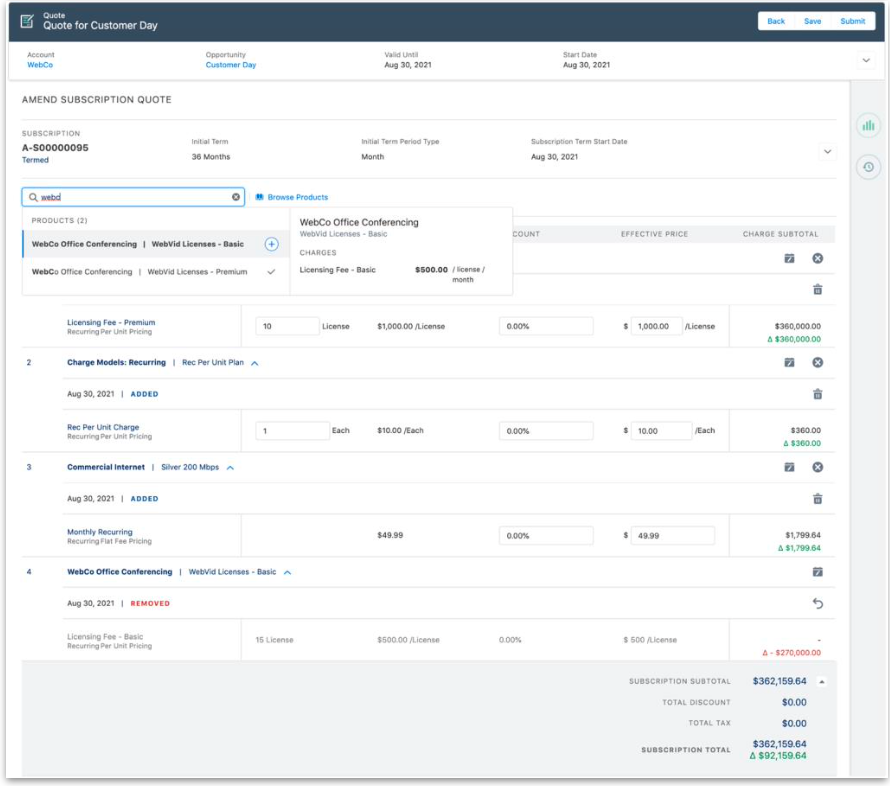
Zuora is the platform most often evaluated head-to-head against Aria, and it's the closest like-for-like replacement if you need enterprise depth. It supports more than 50 pricing models, serves customers including Zoom, Box, and Dell, and its Salesforce integration is genuinely deep. The tradeoff is the one every enterprise incumbent shares: capability comes bundled with implementation weight.
If you're evaluating a wider set, our guide to Zuora alternatives goes deeper on where it fits and where it doesn't.
Key features:
- Catalog and pricing management that lets you define pricing once and deploy it across CPQ, e-commerce, self-service, and partner channels
- Support for flat-fee, tiered, volume, usage-based, and multi-attribute pricing, plus feature-level entitlements
- Global price lists with multi-currency support for cross-border selling
- More than 60 pre-built connectors, including Salesforce, NetSuite, and Snowflake
- Revenue recognition compliant with ASC 606 and IFRS 15, embedded in the catalog rather than bolted on
Pros:
- Broadest pricing model support of any platform in this comparison
- Deep Salesforce integration that reviewers consistently name as a strength for the sales-to-billing handoff
- Large partner and implementation ecosystem, so you can find experienced help
Cons:
- Reviewers describe a steep learning curve and an interface that isn't intuitive for new users
- Implementation typically runs 30 to 90 days and needs dedicated RevOps or billing expertise to maintain afterward
- Often more platform than a mid-market company needs, with cost to match
Best for:
- Large enterprises with multi-entity, multi-product monetization
- Organizations with a dedicated RevOps or billing operations team
- Salesforce-centric go-to-market teams
Pricing: Custom quote, based on scale and complexity.
3. BillingPlatform
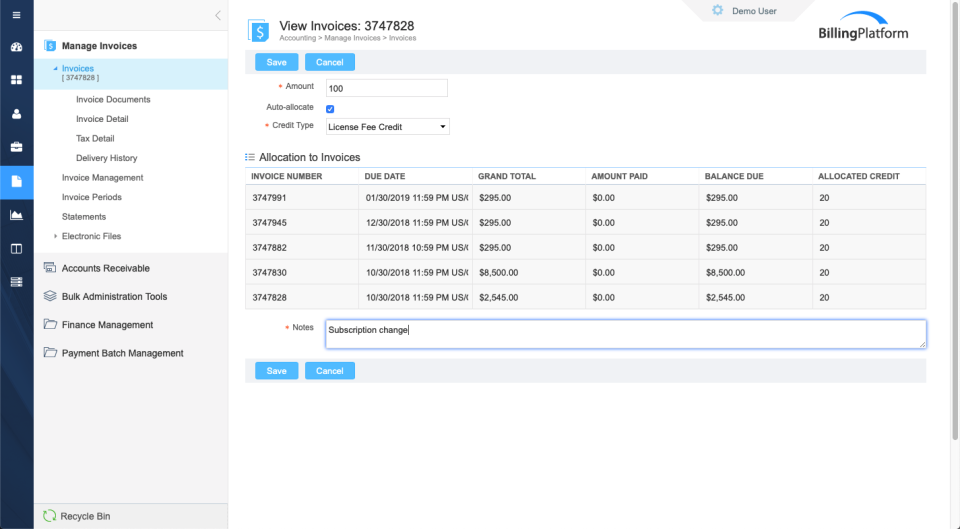
BillingPlatform is the option for enterprises whose billing logic refuses to fit a standard product catalog.
Rather than shipping a fixed data model, it gives you a configurable one, which means you can represent almost any contract structure, rating rule, or hierarchy you can describe. That flexibility is the whole pitch, and it's also the source of most of its criticism.
It's a credible Aria replacement for companies in utilities, financial services, and industrial sectors where billing rules are genuinely idiosyncratic and a standard subscription model would need constant workarounds.
Key features:
- A configurable data model that lets you define custom objects, fields, and rating logic without vendor development work
- Order management, product catalog configuration, invoice generation, and dunning workflows in the core platform
- A revenue recognition module covering ASC 606 and IFRS 15, with contract management and revenue tracking
- A collections module with automated AR workflows, dunning strategies, and collector dashboards
- Mediation and rating for high volumes of usage records
Pros:
- Reviewers repeatedly cite flexibility in handling complex billing scenarios as its standout quality
- Robust data management, which matters when billing depends on messy upstream data
- Modular structure lets you add revenue recognition or collections as needs develop
Cons:
- Implementation is complex and time-consuming, according to reviewers
- Non-production environments perform slowly, which lengthens testing and development cycles
- Error handling is described as inadequate, making troubleshooting harder than it should be
Best for:
- Enterprises with billing logic that standard catalogs can't represent
- Utilities, financial services, and industrial companies with regulated or unusual billing rules
- Organizations with internal technical capacity to own a configurable platform
Pricing: Custom quote across three editions, priced on annual billing volume processed, usage records rated, and number of platform users. All plans are billed annually with no free trial.
4. Chargebee
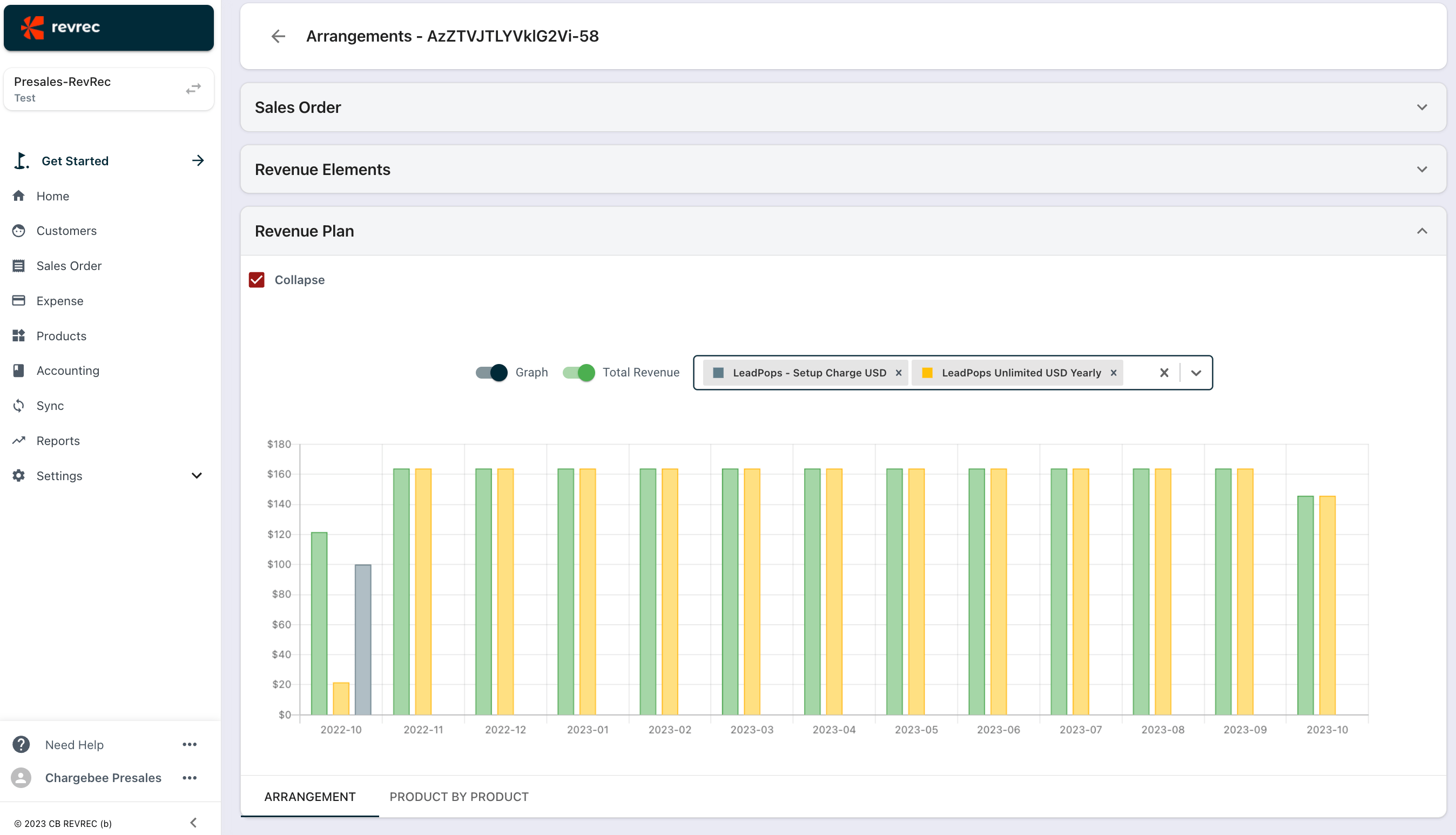
Chargebee is the most established mid-market option here, and it's worth a look if the honest conclusion from your Aria evaluation is that you don't need enterprise-grade rating at all.
It splits its product into modules for billing, CPQ, revenue recognition, and growth experimentation, which gives you flexibility but means the full quote-to-cash flow is assembled from separately purchased pieces.
Key features:
- Core billing covering price books, invoicing, usage ingestion, and real-time usage limits
- An Enterprise Plus tier with multi-entity management, account hierarchies up to 30 levels deep, and support for up to 500 million monthly usage events
- A separate CPQ Lite tier, free for the first 50 quotes
- RevRec, a paid add-on handling point-in-time and ratable revenue recognition
- A large library of pre-built integrations across CRM, accounting, and tax systems
Pros:
- Mature, widely adopted platform with a large partner network
- Reviewers consistently cite an interface that non-technical finance teams can actually use
Cons:
- Revenue-share pricing of 0.65 to 0.8 percent of billing value gets expensive as volume scales
- Invoice template and checkout customization is more limited than dedicated enterprise platforms
- Some reviewers report inconsistent behavior with specific integrations, including Salesforce and HubSpot
Best for:
- Mid-market SaaS companies that want a proven vendor without an enterprise implementation
- Teams comfortable buying billing, CPQ, and revenue recognition as separate modules
- Companies with predominantly subscription rather than heavy usage pricing
Pricing: The Flow plan starts free with a 0.8 percent fee on monthly billing value, or $99 per month plus 0.65 percent on a monthly commitment. Enterprise Plus is custom-priced.
5. Sequence Billing
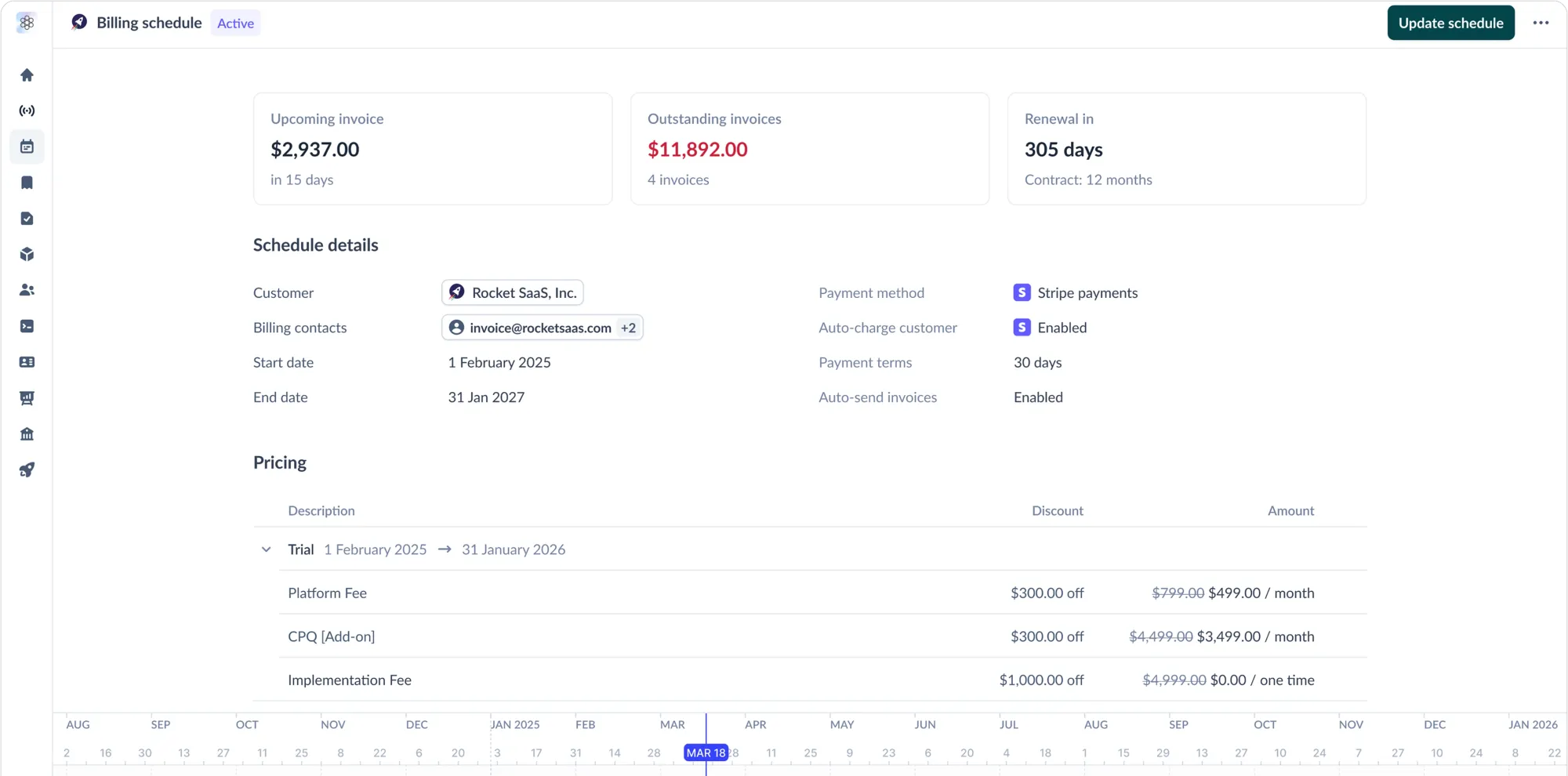
Sequence Billing is one of the few platforms here that, like Alguna, treats quoting and billing as one workflow rather than two systems with an integration between them.
It's a relevant option for a specific kind of Aria evaluation: the one where you work through the requirements and conclude that your complexity lives in deal structure rather than usage throughput. If you're negotiating ramps, custom terms, and approval thresholds on every enterprise contract, that's a different problem from mediating billions of network events, and it calls for a different class of platform.
Key features:
- Web-based proposals supporting usage tiers, ramp pricing, and custom terms, with native e-signature embedded so customers sign without creating an account
- Configurable approval workflows that apply hard blocks for policy violations and softer nudges for terms that need a second look, giving leadership visibility without slowing deals
- A billing engine covering linear, volume, graduated, packaged, and percentage-based pricing models, with minimum and maximum fee thresholds and credit burndowns
- Automated handling of scheduled changes, trial periods, ramps, and proration for partial periods
- Revenue recognition that extracts performance obligations from contracts and maintains an audit trail from contract clause through to invoice line item
- Integrations with Salesforce, HubSpot, and Attio on the CRM side, and QuickBooks, Xero, and NetSuite on the accounting side
Pros:
- Rated 4.9 out of 5 on G2 across 72 reviews, the strongest review profile of any platform in this comparison
- Signature-to-billing automation removes the manual handoff that causes quote and invoice mismatches
- Publishes an entry price, which is rare in this category
- Reviewers describe a no-code dashboard that finance teams can operate without engineering support
Cons:
- The quote builder and revenue recognition are optional add-ons rather than included capabilities, so the real cost sits above the headline price
- Built for B2B SaaS rather than telecom-scale usage mediation, so it isn't a like-for-like replacement for Aria's rating engine
- Pricing becomes bespoke above $1 million in revenue, which is early for a platform aimed at growth-stage companies
Best for:
- Fast-growing B2B SaaS companies with complex, negotiated contract structures
- Teams whose complexity is in deal terms rather than raw usage volume
- Companies that want quoting and billing connected without an enterprise implementation cycle
Pricing: The Growth plan is $799 per month for startups under $1 million in annual revenue. Core, for companies between $1 million and $10 million, and Scale, for companies above $10 million, are both bespoke.
6. Maxio
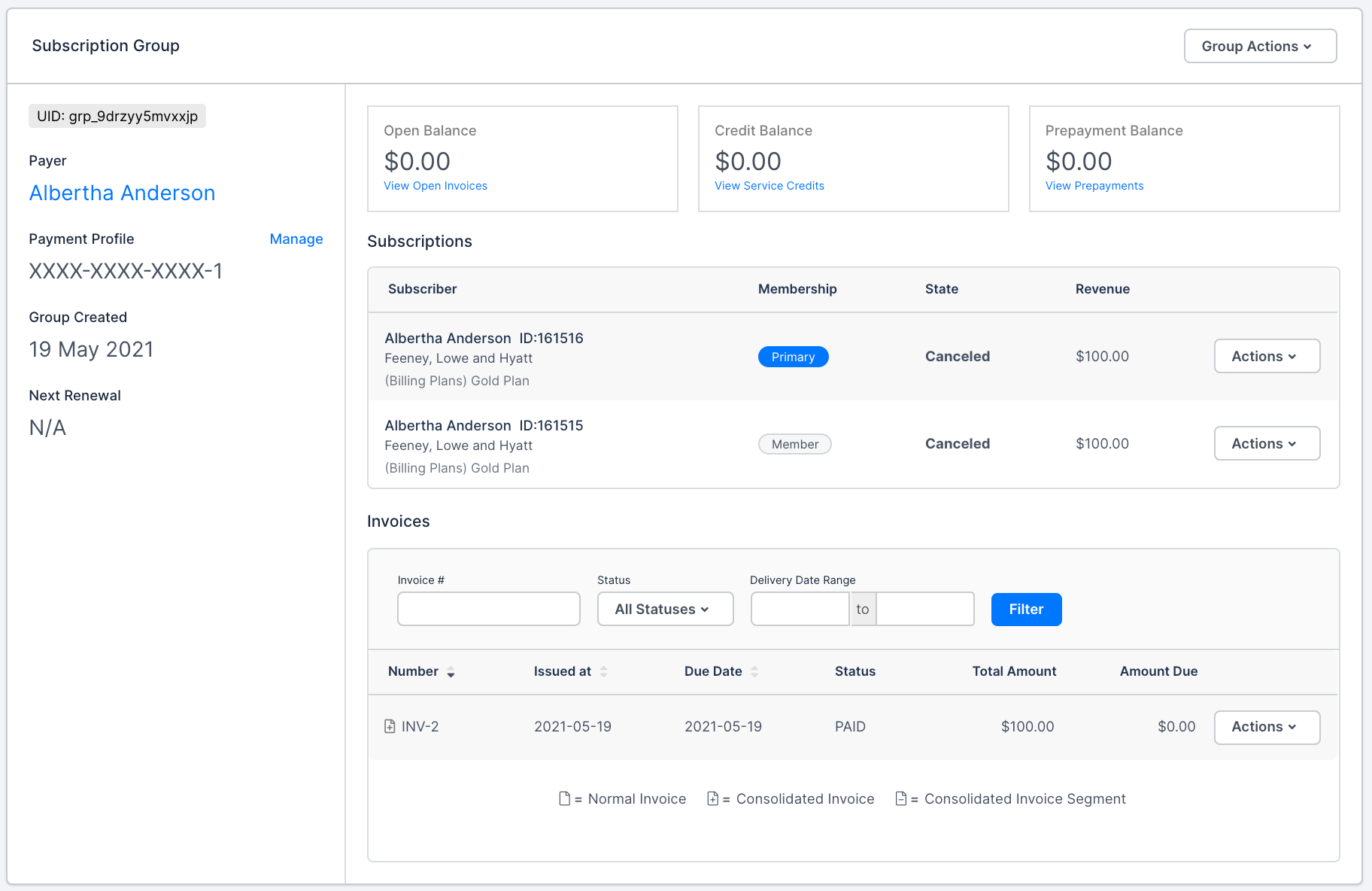
Maxio, formed from SaaSOptics and Chargify, is built for B2B SaaS finance teams that care as much about reporting accuracy as pricing flexibility.
It's a step down in rating power from Aria and a step up in financial visibility, which is the right trade for a lot of software companies who bought enterprise billing for capabilities they never used.
Key features:
- Usage-based billing, subscription management, and recurring billing in one platform
- Finance-oriented tooling including collections and dunning workflows, DSO reporting, and support for over 20 payment gateways
- Multi-entity support with consolidated invoicing
- Direct accounting connections to QuickBooks, Xero, and NetSuite
- SaaS metrics reporting covering MRR, ARR, churn, and cohort analysis
Pros:
- Automated invoicing meaningfully reduces manual finance work, according to user reviews
- Strong integrations with CRM and general ledger systems
- Responsive support, with some reviewers citing 24-hour turnaround
Cons:
- Reporting customization is limited, and some teams fall back on manual exports
- A few users report syncing delays with QuickBooks Online and slow report loading
- Initial configuration takes real effort, and several reviewers describe onboarding as overwhelming
Best for:
- B2B SaaS companies billing under $100,000 monthly that want finance-first tooling
- Finance teams prioritizing accounts receivable and revenue recognition reporting
- Companies that need SaaS metrics and billing in the same system
Pricing: The Grow plan is $599 per month for companies billing up to $100,000 monthly. Scale is custom-priced.
7. Orb
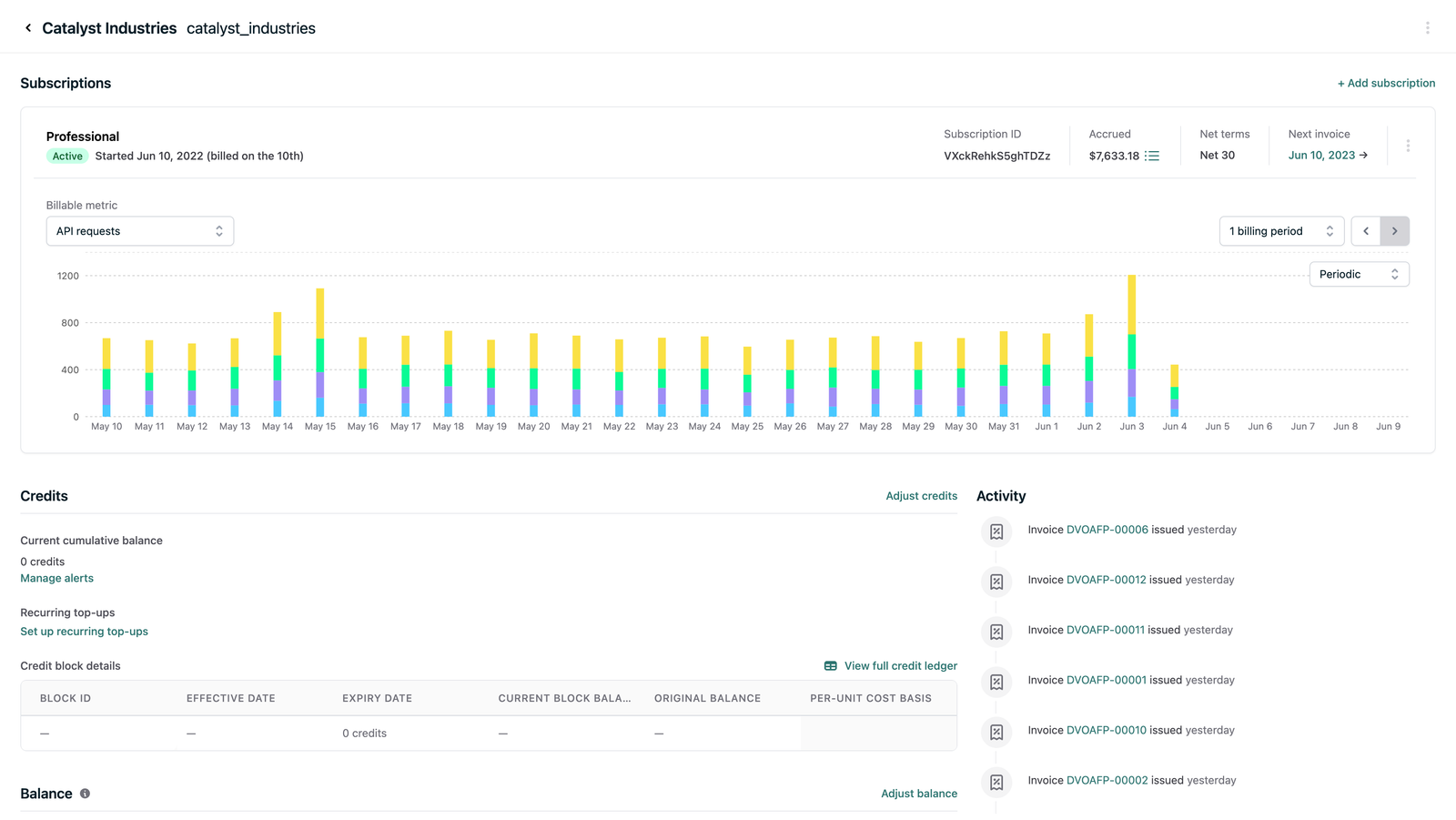
Orb is the newest platform here and the one built most specifically for modern usage-based pricing. Customers including Vercel, Replit, and Supabase point to its focus on infrastructure and AI companies with high-volume, complex consumption patterns.
It won't replace an enterprise catalog with thousands of SKUs, but for a company whose entire pricing model is usage, it's purpose-built.
Key features:
- Real-time event ingestion at high throughput, designed for AI and infrastructure workloads
- Custom SQL metrics for defining exactly how usage translates into billable charges
- Hybrid billing combinations and automated price versioning for mid-contract changes
- Threshold-based alerting that catches billing anomalies before they reach an invoice
- Data warehouse exports to Snowflake and Redshift, plus Salesforce and NetSuite integrations on higher tiers
Pros:
- Built from the start for high-volume, complex usage-based billing software requirements
- Reviewers highlight fast, hands-on support during implementation
- SQL-defined metrics can model pricing logic that catalog-based systems can't express
Cons:
- As a younger platform, some users note feature gaps against established enterprise vendors
- Public review volume is still small, so ask for current customer references directly
- Less suited to companies whose complexity is in contract structure rather than usage
Best for:
- High-growth infrastructure, developer tools, and AI companies with usage-heavy pricing
- Technical teams comfortable defining billing logic in SQL
- Companies whose pricing changes frequently and needs versioning
Pricing: Core, Advanced, and Enterprise tiers are all custom-quoted, priced on total billings issued and events ingested.
How to evaluate Aria Systems alternatives
Billing touches sales, product, finance, and every customer relationship at once, which makes it a heavier decision than most software purchases.
A few things are worth checking carefully.
Start with your pricing roadmap, not your current pricing.
The platform that fits today's model is the wrong benchmark. Write down the pricing you expect to sell in 18 months, including any outcome-based or agent-based components, and evaluate against that. Given how quickly pricing metrics are shifting, this is the single highest-leverage question in the process.
Ask who can change a price.
This is the question that separates platforms more than any feature list. In some systems, a new pricing model is a configuration task a finance lead completes in an afternoon. In others, it's a ticket to engineering, or a statement of work with a services team. Ask each vendor to walk through, live, how they'd add a new hybrid plan with a usage tier and a negotiated overage rate.
Bring your ugliest account to the demo.
Feature lists are written for clean cases. Take your most awkward real customer, the franchise group with 40 locations, the reseller with negotiated rates per region, the parent that pays for some child charges but not others, and ask the vendor to model it live. How many objects does it take to represent? What happens at invoice time? How much of it is configuration versus a workaround someone has to remember every month? This one exercise separates platforms faster than any other question on this list.
Model the real cost at your scale.
Percentage-of-billing pricing looks cheap in year one and expensive in year three. Enterprise custom quotes hide the modules. Build a three-year total cost model that includes license, implementation services, integration work, and the internal headcount needed to run the system, then compare that number rather than the sticker.
Check revenue recognition is included, not extra.
If you're audited or planning to raise, ASC 606 and IFRS 15 support shouldn't be a separately quoted module you discover late in the cycle. Our guide to SaaS revenue recognition software covers what good looks like here.
Test the sales-to-cash handoff end to end. Ask to see a quote created in the demo turn into an invoice and then into recognized revenue, without anyone re-entering data. If the vendor needs to switch systems mid-demo, that switch is a permanent part of your process. If you need quoting too, our roundup of CPQ software is a useful companion.
Plan the migration before you sign.
Ask for the specific process: parallel billing runs, data mapping, how historical invoices and subscriptions transfer, and who from the vendor is accountable during cutover.
Adam Liska at Airspeed described what a good one feels like: "Revenue and invoicing are sensitive areas, so as a founder I wanted to be extra cautious. Alguna's team made me feel completely at ease: they answered every question, laid out a clear migration plan, and kept me in the loop throughout."
Get customer references at your size.
For any vendor with thin public review data, and several here have fewer than 10 public reviews, references are your only real signal. Ask specifically for a customer with similar pricing complexity and similar revenue scale.
Frequently asked questions
What is Aria Systems used for? Aria Systems is a cloud billing and monetization platform for large enterprises with complex recurring and consumption-based revenue. It handles real-time rating and charging, product catalog management, invoicing, and revenue recognition, primarily for communications, media, software, IoT, healthcare, and financial services companies.
How much does Aria Systems cost? Aria systems pricing is custom-quoted rather than published. The company offers Standard, Premium, and ACE tiers, with named modules like revenue recognition, the bill portal, and its AI layer quoted separately. Quotes depend on transaction volume, revenue processed, deployment needs, and launch scope, and the platform is positioned for enterprises at $1 billion or more in revenue.
What do aria systems reviews say? Public review data is unusually thin for a platform of its age. Aria Billing Cloud has 1 verified review on Gartner Peer Insights and 2 on GetApp, with reviewers praising multi-currency support, customizable invoices, dunning management, and Salesforce integration. With sample sizes that small, direct customer references are a better signal than review scores.
How do aria billing systems handle usage-based pricing? Aria's rating engine, Aria Allegro, mediates and rates usage events in real time, turning raw consumption data into priced line items and combining them with recurring and one-time charges on a single invoice. That real-time rating capability is Aria's core technical strength and the reason it's used in telecom and IoT environments.
Which Aria Systems alternative is best for AI companies? Alguna and Orb are both built for AI-era pricing. Orb is the stronger fit if your complexity is purely in usage volume and metric definition. Alguna is the stronger fit if you also need CPQ, contracts, and revenue recognition unified with billing, which is typical once AI companies start signing enterprise contracts with negotiated terms.
Can we switch billing platforms without disrupting existing invoices? Yes, with a proper migration plan. Most credible vendors run parallel billing cycles or a phased cutover so subscriptions, invoices, and payment methods transfer without gaps. Ask any vendor for their documented migration process, who owns it on their side, and how long the parallel run lasts before you sign.
Do we need a full enterprise billing platform at all? Not necessarily. Plenty of companies buy enterprise billing for capabilities they never use. If your complexity is in contract structure rather than raw usage volume, a modern platform covering billing and revenue management will usually cost less and deploy faster than a telecom-grade rating engine.
The best billing platform is the one your team stops thinking about
The measure of a billing platform isn't how impressive the demo is. It's whether, six months after go-live, your finance team has stopped talking about it, because invoices go out right, revenue recognizes itself, and the quote sales sent matches what the customer gets billed.
Aria Systems does that well for enterprises whose central challenge is rating enormous volumes of usage in real time. That's a genuinely hard problem and Aria has been solving it for a long time. But for most software companies, the harder problem isn't rating throughput. It's the gap between what sales sold and what finance can bill, and no amount of rating horsepower closes that gap when quoting lives in a different system.
If you want to see how Alguna handles your specific pricing model, contracts, ramps, overages, and all, book a demo with our team. We'll work through your actual use case rather than a generic script.