Choosing the right SaaS pricing models is one of the most consequential decisions a revenue team will make. Get it right, and you'll accelerate growth, reduce churn, and build a business that compounds over time. Get it wrong, and even the best product will struggle to convert.
This guide covers everything you need to know about the types of SaaS pricing models available today, how to evaluate them, and how to build a strategy that fits your product and your customers.
What is a SaaS pricing model?
A SaaS pricing model is the framework a company uses to charge customers for access to its software. It defines not just how much you charge, but how you charge: per seat, per usage, per outcome, or some combination of all three.
Every SaaS model pricing decision reflects assumptions about your customers, your costs, and where value actually sits in your product.
That's why what is SaaS pricing model design isn't a one-time exercise—it's an ongoing strategic conversation.
According to Simon-Kucher’s Global B2B Software Study of 500+ SaaS executives, most SaaS businesses are not optimizing their pricing processes and are sacrificing an incremental 11–17% in total revenue every year as a result.
The same study also found that top-performing SaaS companies devoted 25% more attention to pricing than their peers—and those that raised prices annually did not experience higher churn than those that didn’t.
Side-by-side comparison: SaaS pricing models
When you compare pricing models for SaaS, it helps to look at them across a few key dimensions simultaneously.
| Model | Revenue predictability | Expansion potential | Complexity | Best fit |
|---|---|---|---|---|
| Flat-rate | High | Low | Low | Simple, single-persona products |
| Per-seat | High | Medium | Low | Collaboration, CRM tools |
| Tiered | High | High | Medium | Multi-persona B2B products |
| Usage-based | Low–Medium | Very High | High | APIs, infrastructure, AI |
| Freemium | Low | High | Medium | Consumer, PLG motions |
| Pay-as-you-go | Low | Medium | Medium | Developer tools, episodic use |
| Custom | High | High | Very High | Enterprise sales motions |
| Per-unit | High | Medium | Low–Medium | Seat-adjacent products with discrete units |
| Outcome-based | Low | Very High | Very High | Services with measurable, quantifiable results |
| Hybrid | Medium–High | Very High | High | Companies balancing predictability and expansion |
Looking at different SaaS pricing models this way makes it easier to shortlist the right candidate for your product rather than defaulting to whatever your competitors are doing.
10 most common SaaS pricing models
Let's walk through the common SaaS pricing models you're most likely to encounter, along with their trade-offs.
1. Flat-rate pricing
The flat-rate pricing model SaaS charges every customer the same fixed amount, regardless of usage or team size. Think of it as the Netflix approach: one price, full access. It's like an all you can eat Vegas buffet.
It's simple to explain, simple to sell, and simple to invoice. The downside? You're likely leaving money on the table with your biggest customers and pricing out your smallest.
2. Subscription pricing
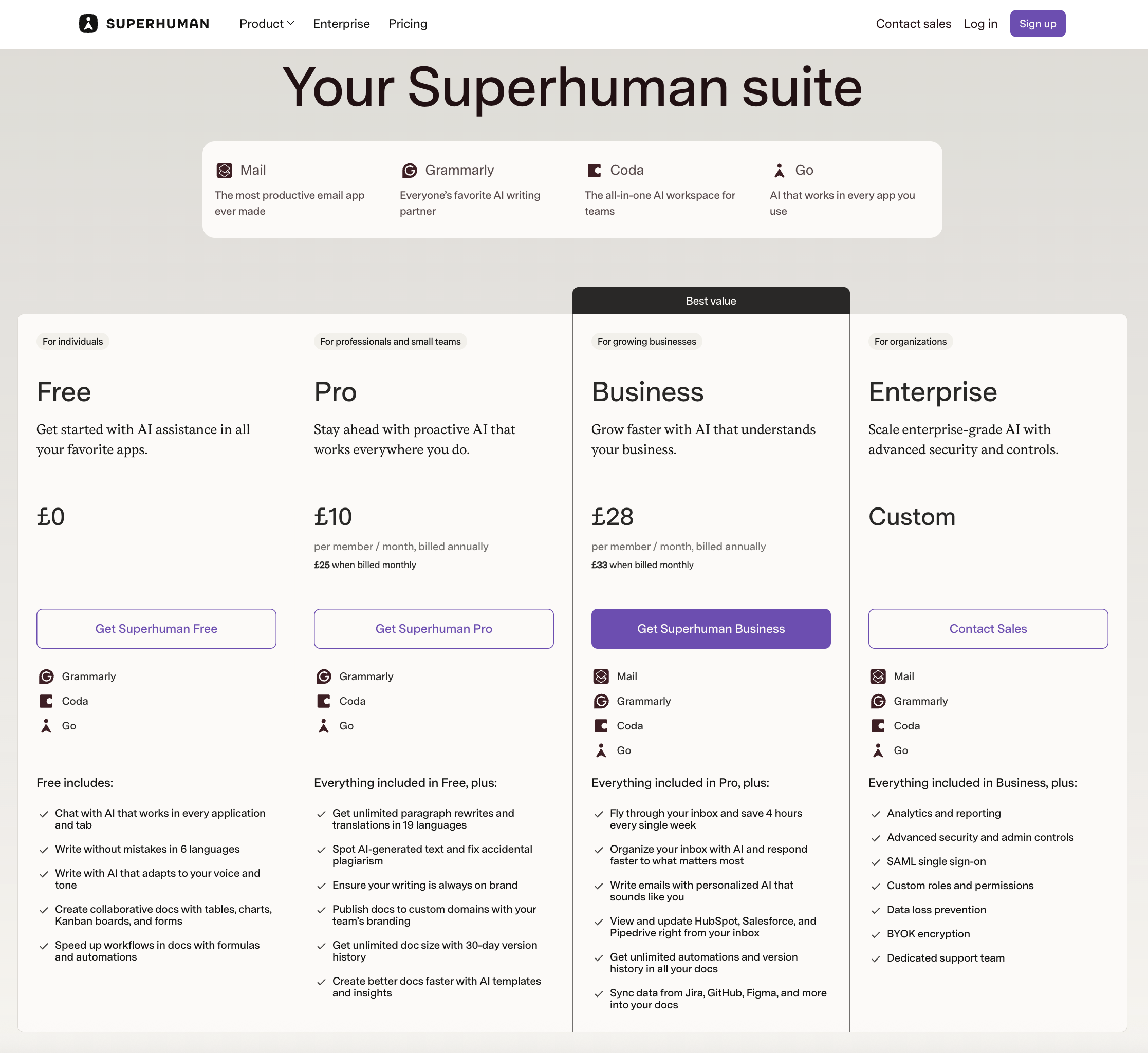
Subscription pricing, which often comes in the form of seat-based pricing, is one of the most common pricing models when it comes to pricing and packaging SaaS. You simply charge a recurring, fixed fee per month (typically with an annual discount).
In SaaS today, this is often paired with some form of usage-based element to combine predictable revenue with fair pricing for customers. (But more on this in the hybrid pricing section!)
The risk is that customers rationalize sharing credentials to keep costs down, which limits your actual penetration into an account.
Plus, in the AI economy, the seat based pricing model falls short. As Ben Murray, from the SaaS CFO puts it, "For decades, SaaS expansion revenue was driven by headcount growth. AI introduces the possibility of the opposite: a customer can stay on your platform but quietly shrink their seat count as agents replace the employees who used to need licenses."
3. Tiered pricing
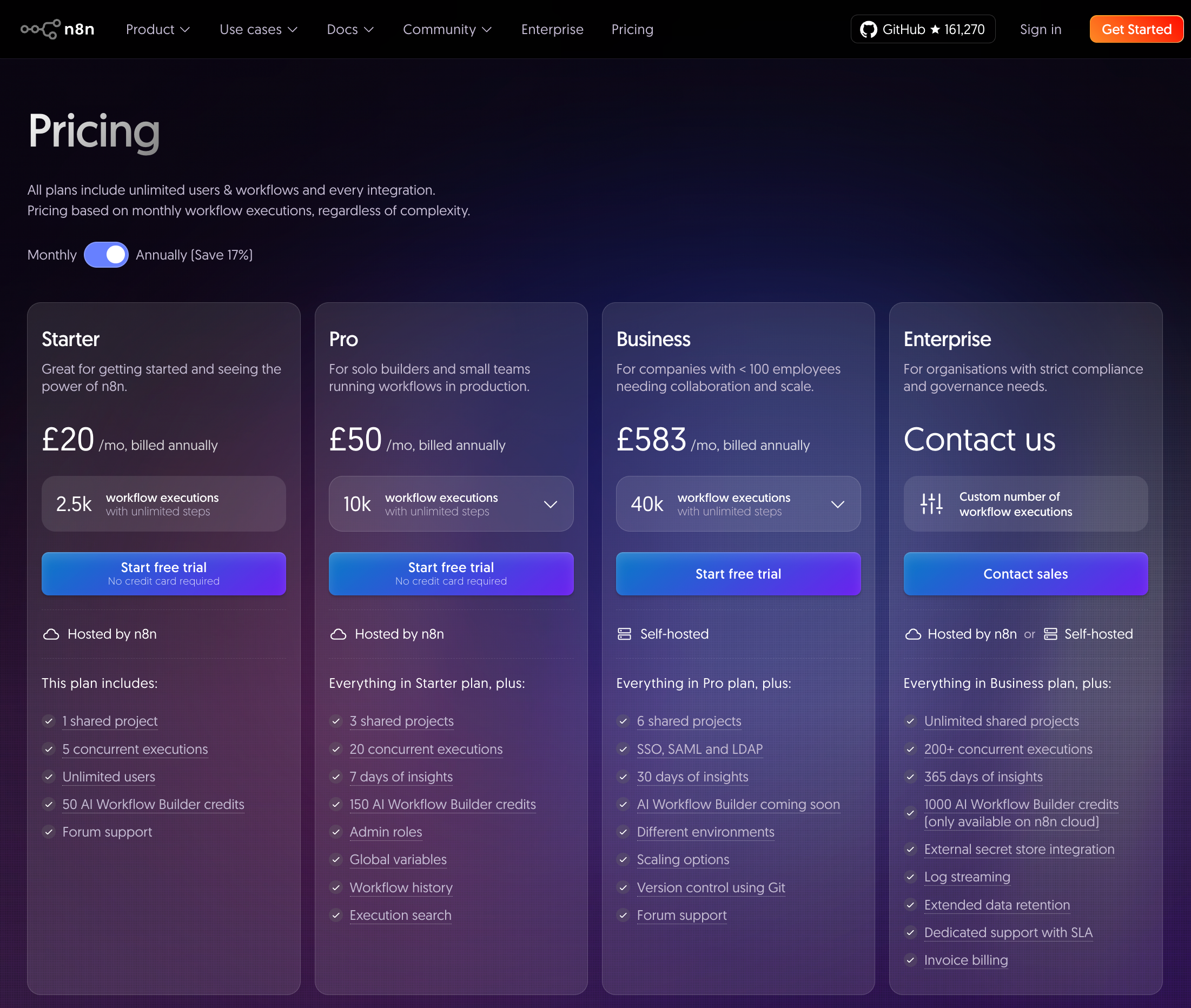
With SaaS tiered pricing models, you bundle features and limits into distinct packages, typically Starter, Growth, and Enterprise. Each tier is designed to appeal to a different buyer persona.
Done well, tiered pricing nudges customers toward the next plan as they grow. Done poorly, it creates confusing packaging that makes prospects bounce.
4. Usage-based pricing
Also called consumption-based pricing, this model charges customers based on how much they actually use. SaaS companies with usage-based pricing models include familiar names like Twilio and AWS.
The appeal is obvious: customers only pay for what they get, which lowers the barrier to entry. The challenge is revenue predictability. SaaS subscription models for usage-based pricing try to solve this by layering commitments on top with minimum spends, prepaid credits, or hybrid structures.
7. Pay-as-you-go (PAYG)
The pay as you go SaaS pricing model (PAYG) is a variant of usage-based pricing with no minimum commitment. Customers pay only for what they consume in a given period, with no upfront contract.
5. Per-feature pricing
Rather than packaging features into tiers, per-feature pricing lets customers build their own plan by selecting the capabilities they want. It's highly flexible, but can create a fragmented experience and complicate your sales process.
6. Freemium
Freemium gives away a limited version of the product for free, then charges for premium features. It's a powerful acquisition channel, but it requires careful thinking about where the paywall sits. Too generous, and you're giving away too much. Too restrictive, and nobody ever sees enough value to upgrade.
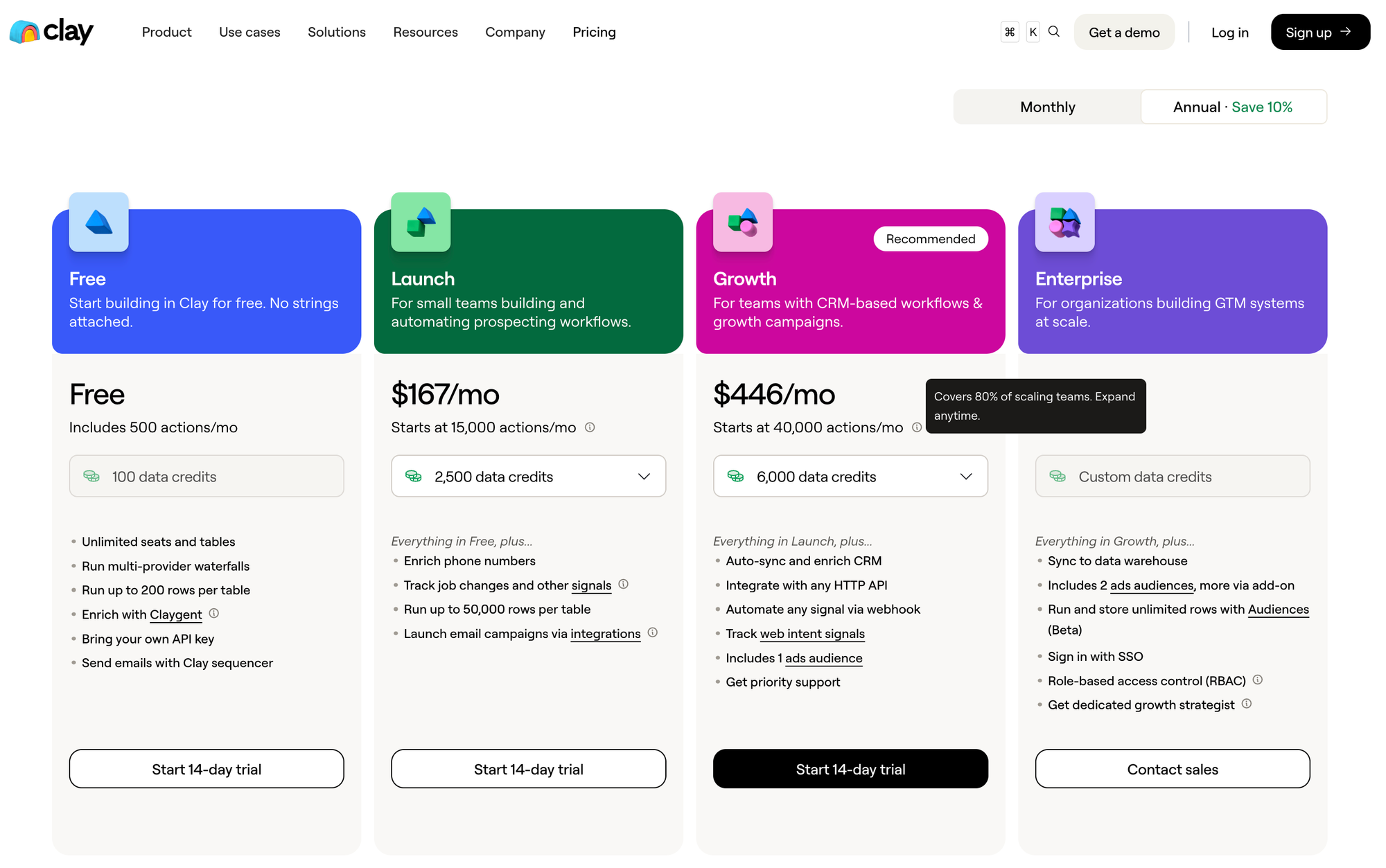
Companies like Notion, Clay and others are well-known for their Freemium plans.
Clay's newly launched pricing became the talk of the town on LinkedIn in March 2026. (Someone even decided to do a sentiment analysis.)
Here's the take from Emil Jørgensen:
Everyone's mad about Clay's new pricing. And some of them are right.
If you're on Pro, running workflows with your own API keys, you're paying more. That's not spin - Clay admitted it in their own memo.
But here's what most people aren't reading:
→ Enrichment costs dropped 50–90% across the most-used data points
→ Growth plan now includes CRM sync, Web Intent, and HTTP API at $495/mo (was $800)
→ 85% of AI users are expected to spend less
→ Existing customers can stay on legacy plans. No one's being forcedAnd the memo itself is worth reading regardless of where you land on the pricing.
Clay published their actual internal risk analysis. Not a polished PR version.
8. Outcome-based pricing
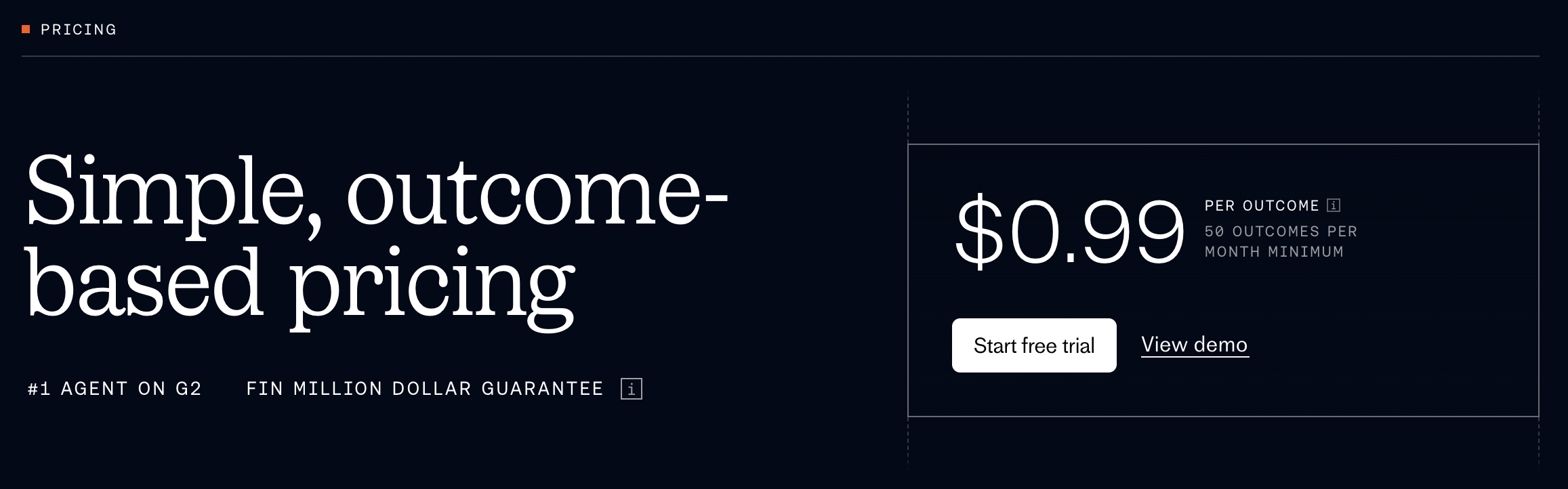
Outcome-based pricing ties what customers pay to a measurable business result rather than to usage, seats, or features. Instead of charging for access to the software, you charge a percentage of the value delivered—revenue generated, costs saved, or hours recovered.
It’s the model that most perfectly aligns vendor and customer incentives. The challenge is that it requires clear outcome measurement, a high degree of trust, and a product where the causal link between software and result is reasonably defensible.
It’s currently moving from theory to practice in a small number of categories, but it’s one to watch as AI makes ROI more attributable.
9. Hybrid pricing
Hybrid pricing combines elements from two or more of the models above. The most common combination is a platform fee (flat-rate) plus usage-based charges on top—a structure that gives vendors predictable baseline revenue while still capturing upside as customers grow.
Another common hybrid is tiered pricing with a usage overage component: customers pick a tier that covers their expected volume, then pay per unit beyond that threshold. This structure is particularly popular among companies transitioning from pure subscription to consumption-based models, since it protects existing ARR while opening the door to expansion.
10. Custom pricing
Custom pricing isn't a pricing model in itself. The vast majority of SaaS companies with have custom pricing for enterprise buyers, but it will likely be a hybrid setup.
It exists as an option for SaaS give enterprise buyers a negotiated rate based on their specific volume, use case, or contractual requirements. It's the default for large deals and often the only way to close six- or seven-figure ARR contracts.
If you need to implement custom pricing models for SaaS applications, the key is building the internal tooling to support it, quoting, approval workflows, and contract management at scale.
SaaS pricing models by business type
B2B SaaS pricing models
Traditional B2b SaaS pricing models tend to skew toward tiered, per-seat, or custom pricing. The sales cycle is longer, procurement is more involved, and buyers want predictable costs they can budget for annually.
That said, revenue models and pricing strategies in the B2B SaaS market are evolving fast, with usage-based models gaining serious ground even in enterprise segments.
When thinking about SaaS B2B pricing models specifically, it's worth mapping your model to your buyer's procurement process. A model that's easy to expense is fundamentally different from one that requires a purchase order.
Enterprise SaaS pricing models
Enterprise SaaS pricing models almost always include a custom or negotiated component. Volume discounts, multi-year commitments, and bespoke SLAs are standard. T
he SaaS enterprise pricing models that work best combine a published price list (so buyers can anchor expectations) with clear escalation paths to custom quotes.
If you're evaluating enterprise SaaS pricing model options, the most common structures are per-seat with an enterprise tier, usage-based with a committed spend, or fully custom with an annual contract.
AI SaaS pricing models
The rise of AI has created a new category of pricing questions. AI pricing models for SaaS businesses are still being figured out industry-wide. Most AI products today charge per token, per query, or per outcome. All which are variations of usage-based pricing.
The challenge with AI SaaS pricing models is that inference costs are volatile, and customers are sensitive to unpredictable bills. Hybrid models, where you pay a platform fee plus usage, are becoming the emerging standard.
How to evaluate SaaS pricing models
Knowing how to evaluate SaaS pricing models is as important as knowing what the models are. The right framework depends on a combination of your product, your market, and your stage.
Core SaaS pricing model evaluation criteria
When setting SaaS pricing model evaluation criteria, USA, or elsewhere, most revenue leaders consider these dimensions:
| Stage | Recommended model | Why |
|---|---|---|
| Early / pre-PMF | Flat-rate or simple tiered | Reduces complexity while you learn what customers value |
| Growth | Tiered or usage-based | Enables expansion revenue without requiring new contracts |
| Scale | Hybrid or custom | Captures value from enterprise buyers while maintaining self-serve |
| Enterprise | Custom with published list | Meets procurement requirements while anchoring expectations |
Applying these SaaS pricing model evaluation criteria systematically helps you avoid the trap of choosing a model that looks good on paper but breaks down in practice.
OpenView’s 2023 SaaS Benchmarks Report (surveying 700+ SaaS companies) found that the median impact on net dollar retention from a pricing and packaging change was a +14% increase among expansion-stage software companies.
Yet nearly 40% of SaaS companies in the same study hadn’t revisited their pricing structure in the prior 18 months.
Quick guide: How to develop a SaaS pricing model from scratch
If you're pondering how to develop a SaaS pricing model for a new product or a re-pricing exercise, always start with value metrics.
A value metric is the unit of consumption that most closely tracks the value your product delivers.
- Map how different customers use your product
- Identify the metric that scales with their success
- Test whether customers understand and accept that metric as a basis for billing
- Model the revenue impact at different price points and conversion rates
- Validate with qualitative interviews before running quantitative experiments
This process is the foundation of any serious SaaS pricing model strategy, and it applies whether you're a seed-stage startup or a public company re-architecting your go-to-market.
SaaS pricing models: 5 best practices
Based on SaaS pricing models best practices emerging from both research and practitioner experience, here are the principles that matter most:
- Anchor to value, not to cost. Your pricing should reflect what customers gain, not what it costs you to deliver.
- Test before you launch. Use pricing pages, sales conversations, and win/loss data to pressure-test your model before you commit.
- Build for expansion. The best pricing models generate expansion revenue passively—as customers succeed, they spend more.
- Simplify ruthlessly. Every pricing tier, add-on, and exception adds friction. Cut what you don't need.
- Revisit regularly. Pricing should be reviewed at least annually, and more often if your product or market is evolving quickly.
SaaS pricing model strategy: Getting it right
Matching your model to your SaaS business model
Your SaaS business model pricing shouldn't be designed in isolation. It has to connect to how you acquire customers, how you expand them, and how you retain them. A freemium motion requires a different pricing architecture than a direct enterprise sales motion.
The SaaS model pricing strategy that tends to outperform over time is one that aligns the pricing metric with the customer's definition of value. This sounds obvious, but most companies default to per-seat pricing because it's familiar, not because it's optimal.
“The bigger risk to me is that companies just don’t make the changes that ultimately are necessary. The inertia leads to avoidance, which ultimately hurts the business more than maybe moving early and making a change.”
- Kyle Poyar, founder of Growth Unhinged and former Operating Partner at OpenView, speaking on SaaS pricing model transitions.
Best pricing models for different growth stages
The best pricing models for growing SaaS businesses change as the company matures.
Here's a rough framework:
| Stage | Recommended model | Why |
|---|---|---|
| Early / pre-PMF | Flat-rate or simple tiered | Reduces complexity while you learn what customers value |
| Growth | Tiered or usage-based | Enables expansion revenue without requiring new contracts |
| Scale | Hybrid or custom | Captures value from enterprise buyers while maintaining self-serve |
| Enterprise | Custom with published list | Meets procurement requirements while anchoring expectations |
Determining the best pricing model for SaaS at your stage means being honest about your sales motion, your ACV, and how much pricing complexity your team can actually execute.
Best pricing models for SaaS companies by category
The best pricing models for SaaS companies also vary by product category. A security product with a compliance mandate will price differently than a creative tool with a freemium motion.
For SaaS software pricing models in data-intensive categories—analytics, data pipelines, AI, usage-based is increasingly the norm. For collaboration and CRM tools, per-seat or tiered pricing still dominates
Best value pricing model for SaaS companies
The best value pricing model for SaaS companies is one where the pricing metric is the same thing the customer is trying to maximize.
If you sell a sales acceleration tool, pricing on number of meetings booked aligns perfectly with what sales teams care about. If you sell a data warehouse, pricing on queries run aligns with the value of faster insights.
Value-based pricing is harder to implement than cost-plus or competitive pricing, but it consistently produces better best pricing model for SaaS revenue recognition outcomes because revenue grows in lockstep with customer success.
Usage-based and consumption-based pricing in depth
Usage-based pricing deserves its own section because it's the fastest-growing model in the SaaS pricing models landscape today.
Why usage-based pricing is gaining ground
The benefits of implementing usage based pricing models for SaaS companies are significant: lower barriers to entry, natural expansion revenue, and pricing that feels fair to customers. When customers pay for what they use, they're less likely to feel they're overpaying, which in turn reduces churn and increases trust.
The SaaS pricing models based on consumption also make it easier to land large accounts. Enterprise buyers who would balk at a large upfront commitment are often willing to start small on a consumption model and scale up as they prove value internally.
Managing the challenges
The two main challenges with usage-based pricing are revenue predictability and customer bill shock. Both are solvable:
- Predictability: Layer in committed spend minimums, annual contracts, or prepaid credits to give your revenue team a baseline to forecast against.
- Bill shock: Build spending alerts, usage dashboards, and hard caps into the product. Customers who can see and control their spend are more likely to stay.
5 top platforms for managing usage-based pricing
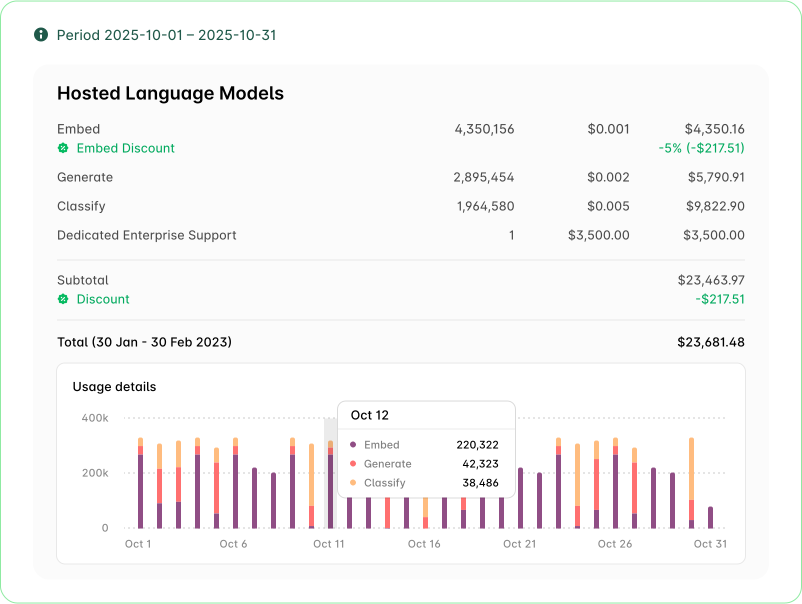
If you're looking at top platforms for SaaS companies to manage usage-based pricing models, the landscape includes billing platforms like Alguna, Stripe Billing, Lago, Orb, and Metronome, each with different strengths depending on your pricing complexity and engineering resources.
Stripe Billing: Developer-first, widest payment infrastructure reach; metered billing via API; 0.7% of billing volume fee at scale
Lago: Open-source metering and billing engine; self-hostable for teams needing data control; processes up to 15,000 events/second
Orb: Raw-event ingestion architecture; strong pricing simulation and no-code pricing iteration
Metronome: (now part of Stripe) — Best for API-first and high-throughput enterprise billing; acquired by Stripe in 2025
The best pricing model management tools for SaaS should support metered billing, real-time usage tracking, flexible invoicing, and integration with your CRM and revenue recognition system.
For SaaS vendors with usage-based pricing models, the operational requirements are meaningfully higher than flat-rate billing. Investing in the right tooling early saves significant re-platforming pain later.
Pricing models for SaaS billing software based on usage
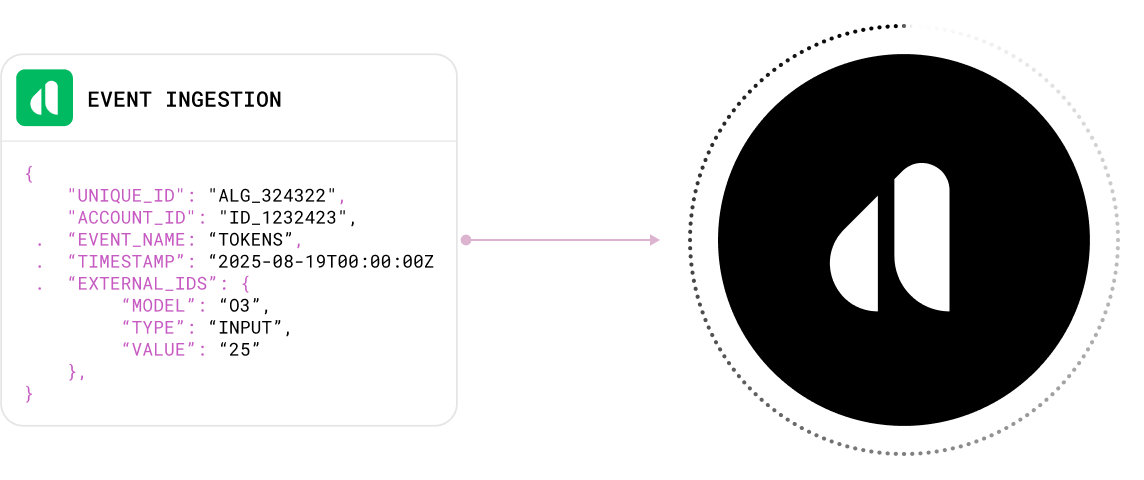
For companies evaluating pricing models for SaaS billing software based on usage, the critical requirement is real-time metering. You need to capture usage events as they happen, aggregate them accurately, and translate them into invoices that customers can understand and trust.
Without this foundation, SaaS based pricing models built on usage will produce billing errors, customer disputes, and revenue leakage, all of which erode the trust that consumption-based pricing is supposed to build.
Building and using a SaaS pricing model template (Excel)
A SaaS pricing model template is a structured framework for modeling revenue, testing scenarios, and aligning your team on pricing decisions. It doesn't have to be complex to be useful.
What a good template covers
A solid pricing model template should include:
- Pricing metric definition and rationale
- Tier or package structure with feature mapping
- Revenue projections by cohort and expansion assumption
- Churn and net revenue retention modeling
- Competitive positioning reference
- Sensitivity analysis for price changes
SaaS pricing model template in Excel
Many teams start with a SaaS pricing model template Excel to model out scenarios before committing to a pricing change. The advantage of a spreadsheet is flexibility, you can quickly adjust assumptions and see the revenue impact.
If you're looking for a SaaS pricing model template Excel free starting point, look for templates that include a customer cohort tab, an MRR build tab, and a sensitivity table. These three components cover most of what you need for a thorough implementing SaaS pricing model exercise.
SaaS pricing model spreadsheet vs. purpose-built tools
A SaaS pricing model spreadsheet works well in the early stages, but as your pricing complexity grows, you'll likely need to move to dedicated CPQ software or pricing software. Spreadsheets struggle with multi-dimensional pricing, complex approval workflows, and real-time quoting at scale.
A SaaS pricing model with checkmarks approach—where you visually map features to tiers—is useful for building your pricing page, but the underlying logic needs to be backed by a data model your billing system can execute.
SaaS pricing models examples from real companies
Looking at SaaS pricing models examples from successful companies reveals a clear pattern: the best models evolve over time. Salesforce started with simple per-seat pricing. AWS pioneered consumption-based pricing for infrastructure. HubSpot layered tiered pricing on top of a freemium motion.
The SaaS pricing model examples that tend to get studied most are the ones that achieved net revenue retention above 120%—a signal that the pricing model is generating expansion revenue faster than churn is destroying it.
One well-known Salesforce SaaS pricing model insight is that their move to tiered enterprise pricing—with clear feature differentiation between Professional, Enterprise, and Unlimited plans—created a powerful upsell engine that now drives a significant share of their growth.
SaaS pricing models news and what's changing in 2026
The latest SaaS pricing models news and trends point to three shifts worth watching:
- Outcome-based pricing continues to move from theory to practice: A growing number of vendors are tying at least part of their fee to measurable business outcomes.
- AI is accelerating the shift to usage-based models: As inference costs become a line item for vendors, passing those costs through to customers in consumption-based structures is becoming standard.
- Bundling is making a comeback: After years of add-on proliferation, many companies are simplifying back to all-inclusive tiers to reduce deal complexity and speed up time-to-close.
Pricing models for SaaS products: Making the final call
When you need to land on a pricing model for SaaS products, the decision comes down to three questions: What value metric do your customers most care about? What motion does your sales team run? What can your billing infrastructure support today?
A pricing model for SaaS that's theoretically optimal but operationally undeliverable isn't useful. Build toward the ideal model in phases, starting with something you can execute cleanly and adding complexity as your systems and team catch up.
“The most effective price metrics are the ones that are aligned with the value customers derive from the offering. This means that the price scales alongside customers’ success or their usage of the software.”
Simon-Kucher, “Proven packaging and pricing designs” (2023)
Pricing models for SaaS software: Final checklist
Before finalizing your pricing models for SaaS software, run through this checklist:
- Does the pricing metric align with the value customers measure?
- Can a prospect understand the model in under 30 seconds?
- Does the model generate natural expansion revenue?
- Is your billing system able to support it cleanly?
- Have you modeled the revenue impact across different adoption scenarios?
- Have you validated the model with at least 5 customer conversations?
- Do you have a plan to revisit the model in 12 months?
Bringing it together
There's no single answer to what are the different types of SaaS pricing models that works best. The right model depends on your product, your customers, your competitive environment, and your stage.
What we do know is that pricing models for SaaS are increasingly a source of competitive advantage. The companies that treat pricing as a strategic discipline—not just a finance exercise—consistently outperform on NRR, CAC payback, and long-term growth.
We built Alguna to help revenue teams quote, bill, and invoice across all of these SaaS product pricing models without the operational overhead that usually comes with them. Whether you're running flat-rate billing or complex usage-based structures, we handle the infrastructure so you can focus on getting the model right.
The best time to rethink your pricing model is before you need to. Start that conversation today.