Manual billing and collections work is one of the most common causes of revenue leakage. But that's not all. It eats up time, trickles into other departments (not just finance!), and and creates friction in customer relationships.
So let's take a look at an accounts receivable automation case study to see the real impact of AR automation and best practices. Actually, make that two case studies.
Sequoia-backed Evervault and fast-growing Glyphic both replaced fragmented, manual billing workflows with Alguna's fully automated accounts receivable platform, purpose-built for B2B with busy finance teams.
The results speak for themselves: faster collections, near-zero invoice errors, and hours of admin time given back to the people who need it most.
Why accounts receivable automation matters more than you think
Most early-stage SaaS companies don't feel the pain of manual AR immediately. (Although Haven AI might argue differently.)
A spreadsheet here, a Stripe setup there, maybe a PandaDoc contract thrown in, it works "fine" at five customers.
At twenty, it starts to creak.
At one hundred, it breaks.
The cost isn't just operational. Missed invoices mean missed revenue. Chasing payments eats into customer relationships. Inconsistent billing creates confusion and disputes. And without a real-time view of your receivables, you're flying blind on cash flow.
The two companies below each hit that wall at different speeds. What they have in common is how they solved it.
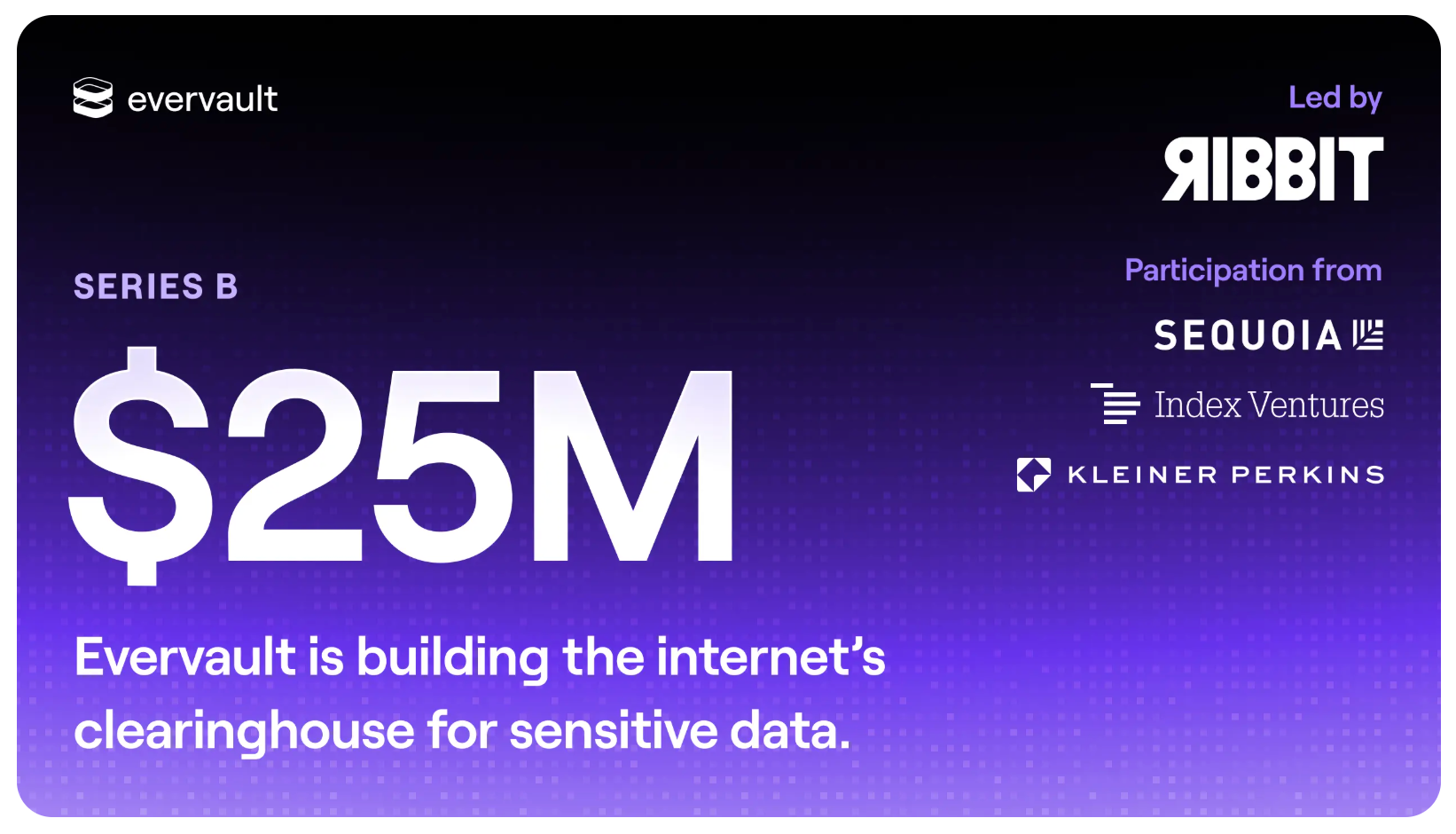
Case study 1: Evervault - Eliminating engineering bottlenecks from a complex usage-based billing stack
Previous stack: Stripe Billing, DocuSign, spreadsheets, in-house metering system
Key result: Live in 2 weeks, zero engineering bottlenecks, 100% usage transparency
👉 Read the full case study
The problem
Evervault's pricing model was inherently complex: subscriptions, add-ons, consumption fees, and overages across multiple products, all billed at varying rates. Managing this inside Stripe meant creating custom price objects per customer, building bespoke automations, and manually reconciling overages each billing cycle.
Every new enterprise deal added more strain. Mixing billing periods, say, a flat platform fee alongside usage-based charges, wasn't something Stripe could handle natively.
Finance tracked invoice-based versus recurring card customers in separate spreadsheets. Deferred revenue was calculated by hand.
The engineering team had written thousands of lines of custom code just to keep billing running. Any change to pricing logic required a dedicated engineering project. Updates often happened late or were missed entirely.
⚠️ There was a real financial cost too. On a single $50,000 invoice, Evervault was paying $2,000 in card processing fees, a cost structure that wasn't sustainable.
The solution
Evervault moved to Alguna. Usage data is now ingested automatically, with both Evervault's team and their customers able to monitor consumption in real time and finance no longer needs to intervene.
Alguna's team handled the migration end-to-end in two weeks, mapping all historical contracts to their invoice anchor dates and preserving existing payment tokens so customers experienced zero disruption.
"Alguna enables complex usage-based billing for us in a way that other products can’t."
- Shane Curran, CEO at Evervault
The results
Zero engineering bottlenecks as all pricing changes are made with no code
100% usage transparency for customers and revenue teams
Finance and sales operating in lockstep for the first time
Case study 2: Glyphic - From unbilled revenue to a second-best month of all time

Previous stack: DocuSign, Stripe, spreadsheets, ad-hoc invoices via Wise/TransferWise
Key result: Full AR automation in 3 weeks; 75% of a record revenue month came from previously unbilled upsells
👉 Read the full case study
The problem
Glyphic, founded by engineers from Google’s DeepMind and Apple, is a Revenue Orchestration Platform for sales teams.
Like many other fast-growing companies, eventually, Glyphic's billing sprawl had a direct impact on revenue. Seat expansions were billed irregularly. Proration was so time-consuming it was often skipped entirely. Non-card payments weren't reconciled into Stripe.
Months of expansion revenue was going unbilled and not because customers weren't willing to pay, but because the team simply didn't have the capacity to track it.
Reporting was equally painful. With data scattered across Stripe, spreadsheets, and Wise, the team spent hours stitching together numbers before any investor update or board meeting.
The accuracy of MRR and ARR figures was consistently uncertain.
As Glyphic closed larger enterprise deals, the stack showed another gap: Stripe couldn't support multiple payment methods, so yet another tool had to be bolted on. The patchwork kept growing.
The solution
Alguna's team completed the full migration in three weeks, integrating directly with Glyphic's existing tools including Xero for accounting and Stripe for payments. Billing rules were configured to handle seat-based pricing with mid-contract changes, automatic proration, and multiple payment methods, all from a single dashboard.
Within the first month, every customer billing change was handled automatically. Seat additions were pro-rated without manual intervention. New customers were onboarded without anyone touching multiple systems.
“Revenue and invoicing are sensitive areas, so as a founder I wanted to be extra cautious. Alguna’s team made me feel completely at ease: they answered every question, laid out a clear migration plan, and kept me in the loop throughout.
The process turned out to be far smoother than I expected, with most of the heavy lifting handled behind the scenes.”
Adam Liska, Co-founder an CEO at Glyphic
The results
75% of a record revenue month came from upsells that had previously gone unbilled
Complete revenue visibility with one source of truth
What these accounts receivable automation case studies have in common
Looking at both Evervault and Glyphic, a few clear patterns emerge.
1. The pain always compounds. Each of these founders started with a setup that felt manageable. It was fine at 10 customers. It started to break at 20. By 50–100 customers, it became a genuine operational crisis. AR automation isn't something to solve later, the longer you wait, the more revenue leakage you accumulate.
2. Fragmented tools create invisible revenue risk. Stripe plus PandaDoc plus spreadsheets isn't a billing stack, it's a series of manual handoffs waiting to fail. Every gap between tools is an opportunity for an invoice to be missed, a seat expansion to go unbilled, or a payment to slip through unrecorded.
3. Automation unlocks revenue you didn't know was there. Glyphic's experience is the most striking example: 75% of a record revenue month came from upsells that had simply been too painful to bill for manually. When billing becomes easy, you don't leave money on the table.
4. Migration doesn't have to be painful. All three companies cited Alguna's white-glove migration support as a key factor. Going live in 2–3 weeks, with no customer-facing disruption, is achievable when the platform handles the heavy lifting.
Is your AR process ready to scale?
If any of the scenarios above sound familiar, manual reconciliation, invoice inconsistencies, missed upsells, or an accounts receivable process that lives in spreadsheets, it might be time to consider automation.
Alguna's invoicing and payment collection platform is built specifically for B2B SaaS companies managing complex billing models. From automated dunning and collections to real-time receivables visibility and multi-payment-method support, it's the infrastructure that lets your finance and revenue teams stay in lockstep as you grow.