If you’re searching for PandaDoc alternatives, you’re probably in one of these situations: your sales team wants faster quoting, your legal team wants tighter contract controls, your finance team wants cleaner downstream billing, or your ops team is tired of stitching together “one more tool” to get a deal over the line.
PandaDoc is strong for proposals + eSignatures, but it’s not always the best fit. Especially when you need deeper CPQ, complex pricing, approvals, revenue workflows, or end-to-end automation.
Below is a practical guide to the top PandaDoc alternatives, broken into categories, with a quick comparison table and tips for choosing the right one.
Why teams look for PandaDoc alternatives
Common reasons companies switch (or add) an alternative:
- You’ve outgrown “documents” and need true CPQ (guided selling, bundles, amendments, renewals, multi-year ramps)
- Pricing is getting complex (usage-based, hybrid pricing, minimum commits, credits, tiering/volume discounts)
- You need stronger contract lifecycle management (redlines, clause libraries, obligation tracking, audit controls)
- Approvals and compliance are painful (finance/legal approval routing, SOX controls, deal desk workflows)
- Integration gaps (Salesforce/HubSpot, billing, product catalog, data model alignment)
- You want quote-to-cash, not quote-to-PDF (billing, invoicing, rev rec handoffs, usage metering)
TL;DR - Quick recommendations
• If you want beautiful proposals: Qwilr or Proposify
• If you want CPQ for complex deals: DealHub CPQ (mid-market), Salesforce CPQ (if already on Salesforce), or Alguna (best for scaling SaaS and AI companies with hybrid models)
• If you want legal-first contract control: Ironclad
• If you want to unify CPQ + billing + usage together in a quote-to-cash platform: Alguna
Different types of PandaDoc alternatives (by category)
Not all “alternatives” do the same job. Here are the main buckets:
- E-signature focused tools: Simple, reliable signing and workflows
- Proposal + document automation tools: Great-looking proposals with content libraries and tracking
- CPQ tools: Configure-price-quote for complex deals, products, and approvals
- CLM platforms: Contract lifecycle management for legal and procurement depth
- Unified quote-to-cash platforms: CPQ + billing + usage + revenue automation in one system (best when finance gets involved early)
PandaDoc alternatives: Comparison overview
| Tool | Category | Best for | Strengths | Trade-offs |
|---|---|---|---|---|
| Alguna | Unified quote-to-cash platform with native CPQ and embedded e-signature flow | Modern SaaS/AI teams that need CPQ + usage + billing together | CPQ + real-time metering + usage-based billing + revenue workflows in one place | If you only need basic e-signature (and not end-to-end revenue automation), this may be more than you need |
| DocuSign | E-signature focused | Enterprises that need secure signing at scale | Compliance, templates, identity options, integrations | Can feel heavyweight/expensive for SMB |
| Adobe Acrobat Sign | E-signature focused | Teams already standardized on Adobe | Strong signing + admin controls | Less CPQ/deal desk depth |
| Dropbox Sign (HelloSign) | E-signature focused | SMB signing with a simple UX | Quick setup, easy templates | Fewer advanced workflows |
| Proposify | Proposal automation | Proposal-heavy sales orgs | Proposal content libraries + design control | Not a full CPQ |
| Qwilr | Proposal automation | Modern, web-based proposals | Interactive pages, easy collaboration | Limited for complex pricing logic |
| Better Proposals | Proposal automation | Speed + simple proposal templates | Quick proposal creation | Lighter on approvals/CPQ |
| Concord | CLM / contract workflow | Contract-heavy teams | CLM basics + e-sign + collaboration | Advanced CLM varies by plan |
| Ironclad | CLM | Legal teams that want CLM depth | Clause + workflow rigor, enterprise controls | Heavier implementation, higher cost |
| Salesforce CPQ | CPQ | Salesforce-centric enterprises | Deep Salesforce alignment, complex CPQ | Admin-heavy, longer implementations |
| DealHub CPQ | CPQ | Mid-market CPQ with integrations | Guided selling, approvals, subscriptions | Depends on billing stack for downstream |
| Quotation tools in HubSpot / CRM add-ons | Lightweight CPQ | Teams living entirely in their CRM | Convenience + basic quoting | Limited flexibility for complex pricing |
The 12 best PandaDoc alternatives by category
1. E-signature focused alternatives (best when signing is the main job)
DocuSign
Best for: Regulated industries, large teams, complex identity/compliance needs
Why it wins: Enterprise-grade signing, robust templates and admin controls, broad integrations
Where it can fall short: Cost and complexity if you mainly need lightweight signatures
Adobe Acrobat Sign
Best for: Teams already using Adobe tools
Why it wins: Solid signing workflows, good document controls, enterprise readiness
Where it can fall short: Not designed for CPQ-style quoting and pricing logic
Dropbox Sign (HelloSign)
Best for: SMBs that want a clean, fast signing experience
Why it wins: Easy setup, straightforward templates, simple API
Where it can fall short: Fewer advanced approvals and workflow options
2. Proposal + document automation alternatives (best when proposals are the product)
Qwilr
Best for: Modern, interactive proposals that feel like web pages
Why it wins: Beautiful buyer experience, easy collaboration, fast creation
Where it can fall short: Complex quoting logic, SKU/catalog governance, advanced approvals
Proposify
Best for: Sales teams that crank out many proposals and want brand consistency
Why it wins: Content libraries, structured proposal building, team collaboration
Where it can fall short: You’ll still need CPQ/billing systems for real pricing + invoicing workflows
Better proposals
Best for: Simple, fast proposals for SMB and services-led teams
Why it wins: Speed, templates, usability
Where it can fall short: Limited depth for enterprise workflows and complex product/pricing
Once deals involve bundles, add-ons, usage, minimum commits, multi-year ramps, or finance approvals, document-first tools start to break down. This is where CPQ (configure, price, quote) platforms become the right replacement.
3. CPQ alternatives to PandaDoc (for complex pricing and approvals)
Alguna CPQ
Setting up pricing in Alguna.
Best for: SaaS and AI companies with usage-based or hybrid pricing
Why it stands out: Alguna combines CPQ with real-time usage logic, billing readiness, and revenue automation. This means pricing decisions made at quote time actually flow downstream to billing and finance.
Key strengths
- No-code CPQ with complex pricing rules (usage, tiers, credits, minimum commits)
- Native support for hybrid and usage-based models
- Finance-friendly deal structures with clean downstream handoff
- Designed for AI and modern SaaS monetization
Where it may be too much: If you only need simple one-line subscription quotes, a lighter quoting tool may suffice.
Salesforce CPQ (Agentforce Revenue Management)
Best for: Large Salesforce-native organizations
Why it’s used: Deep object-level integration with Salesforce and powerful rule engines.
Key strengths
- Highly customizable pricing and product rules
- Strong approval workflows
- Enterprise-grade governance
Trade-offs
- Heavy admin and implementation overhead
- Long time-to-value
- Can be difficult to adapt to fast-moving pricing experiments
DealHub CPQ
Best for: Mid-market teams that need guided selling and approvals
Why it’s used: Solid CPQ features without full Salesforce CPQ complexity.
Key strengths
- Guided selling and deal desk workflows
- Subscription and recurring revenue support
- CRM integrations
Trade-offs
- Relies on external billing systems
- Limited native support for advanced usage-based monetization
CRM-native quoting tools (HubSpot, etc.)
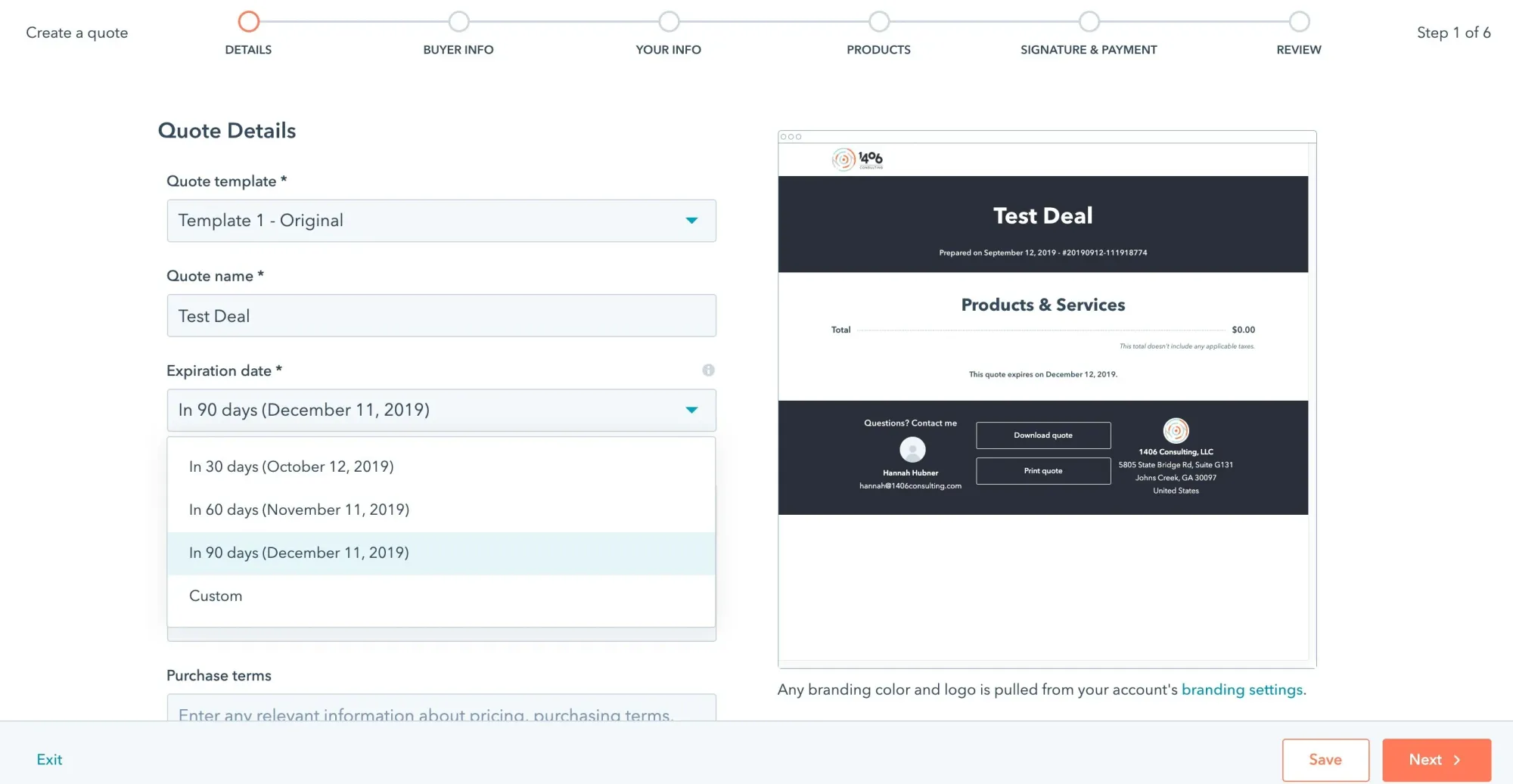
Best for: Simple catalogs and straightforward pricing
Why they’re used: Convenience inside the CRM.
Trade-offs
- Break down quickly with hybrid pricing
- Limited approval logic
- Not suitable for complex SaaS or AI pricing models
4. CLM alternatives (best when legal needs more control)
If your pain is less about proposals and more about contract governance, a CLM may be a better PandaDoc replacement.
Ironclad
Best for: Legal teams that want deep workflows, approvals, clause management, and auditability
Why it wins: Strong CLM capabilities and enterprise controls
Where it can fall short: Heavier implementation and cost (not “quick swap” software)
Concord
Best for: Teams that want a simpler CLM-style workflow without enterprise heaviness
Why it wins: Collaboration + contract workflow + signing in one place
Where it can fall short: May not match the depth of enterprise CLM platforms for complex orgs
5. Unified platforms (best when you want quote-to-cash, not point solutions)
This is the category many revenue teams eventually land in, especially for SaaS and AI companies. For many teams, PandaDoc isn’t the real issue, it’s the handoff after the signature.
If finance, RevOps, or engineering are rebuilding deals manually after contracts are signed, you don’t just need a PandaDoc alternative—you need a quote-to-cash platform.
Alguna: A unified quote-to-cash platform for scaling teams moving away from multiple tools
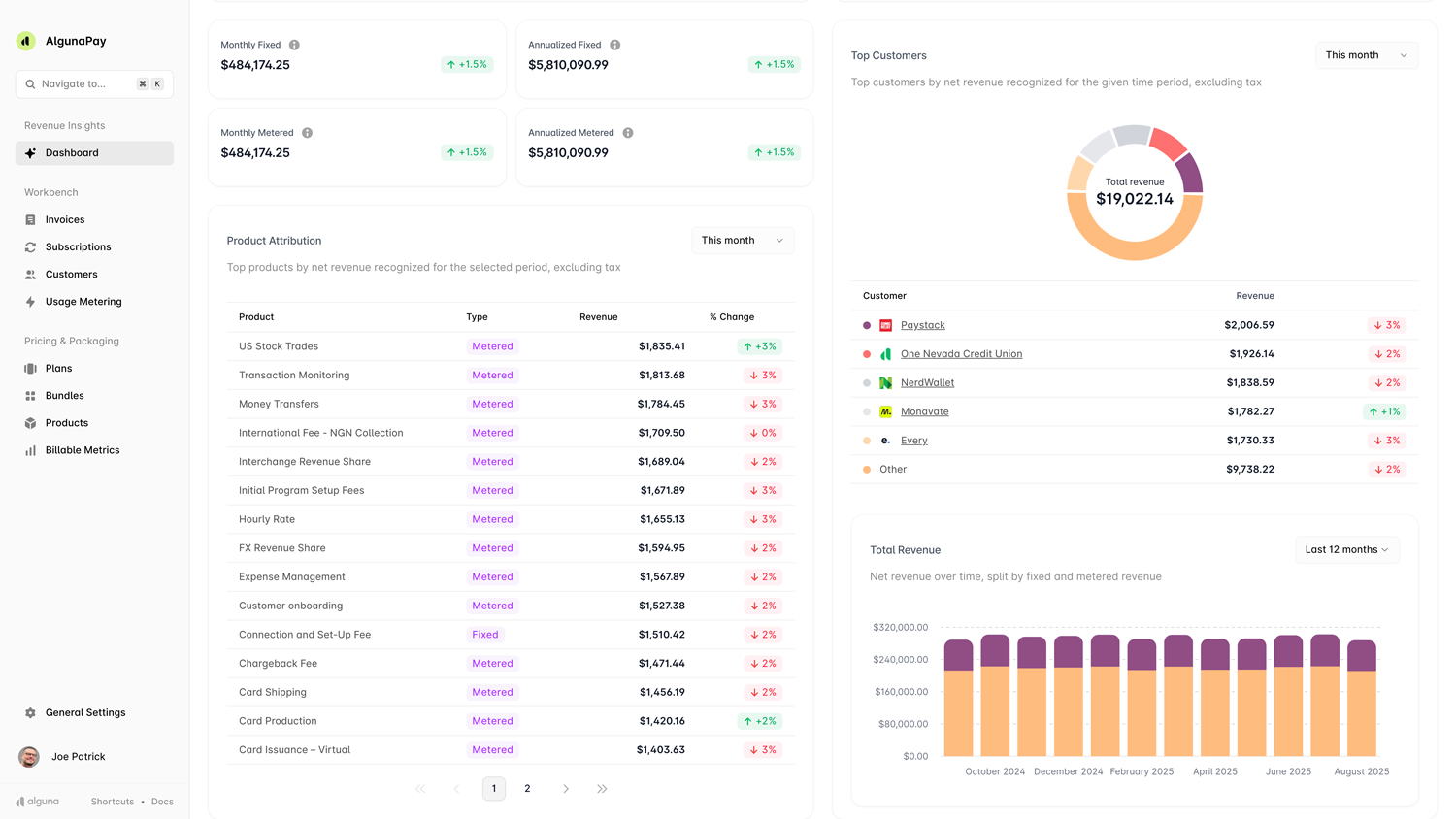
Best for: SaaS and AI companies with complex pricing and monetization models
Why it stands out: Alguna unifies CPQ, usage metering, billing, and revenue workflows so pricing logic is defined once, creating a single source of truth across your revenue lifecycle.
Key strengths
- CPQ + real-time usage metering
- Usage-based, hybrid, and credit-based billing
- Clean quote → invoice → revenue handoff
- Built for AI-era monetization (tokens, API calls, consumption)
Trade-offs
- Not designed for document-only use cases
- Best suited when finance is involved early in the deal lifecycle

Chargebee: An alternative to PandaDoc for subscription based businesses
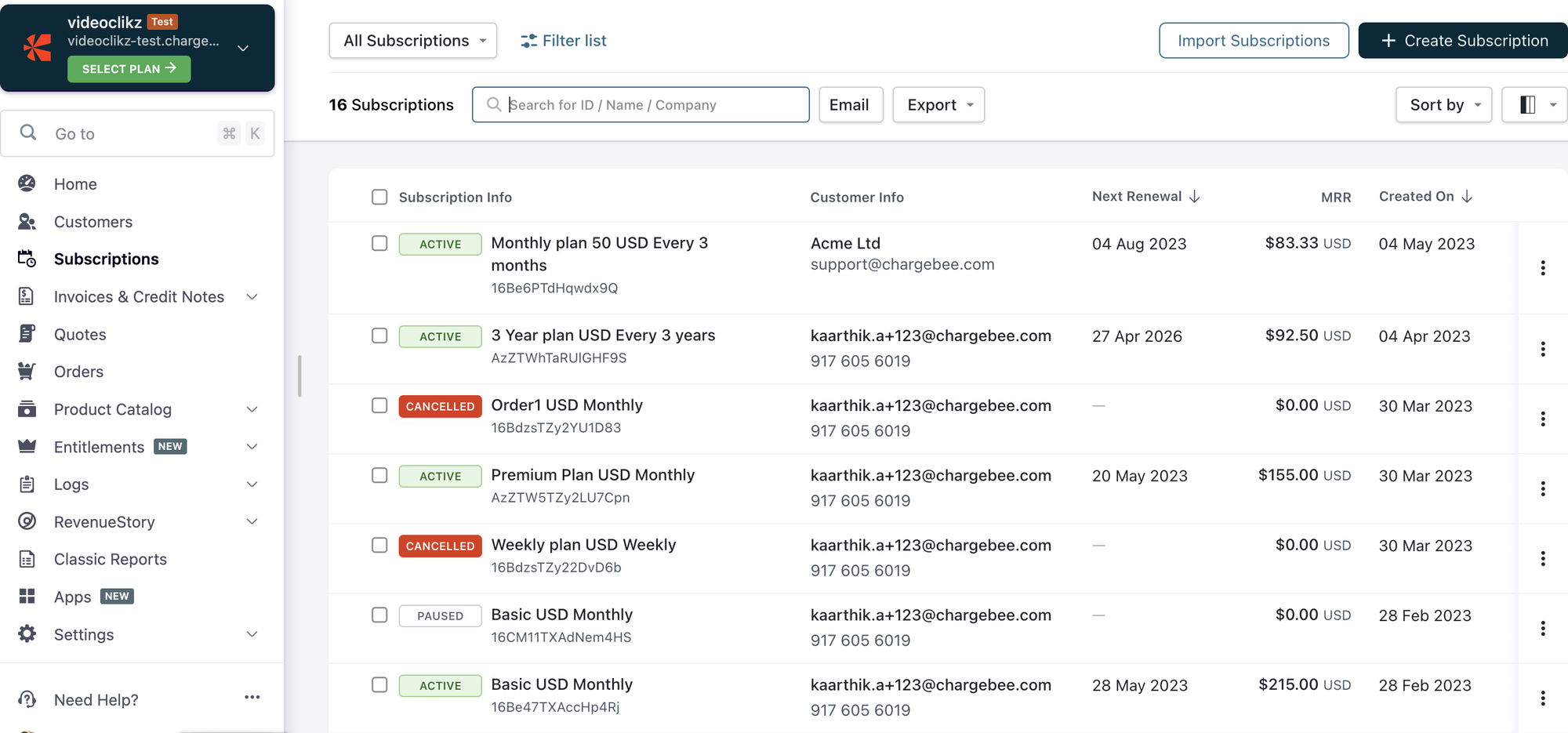
Best for: Subscription-first SaaS companies
Why it’s used: Mature billing and subscription management with solid ecosystem support.
Key strengths
- Subscription billing and invoicing
- Tax, payments, and global support
- Integrations with CRMs and accounting tools
Trade-offs
- CPQ is limited compared to dedicated tools
- Usage and hybrid pricing can require workarounds
- Often paired with separate CPQ or quoting tools
Maxio (formerly SaaSOptics + Chargify): A finance-first platform for SaaS
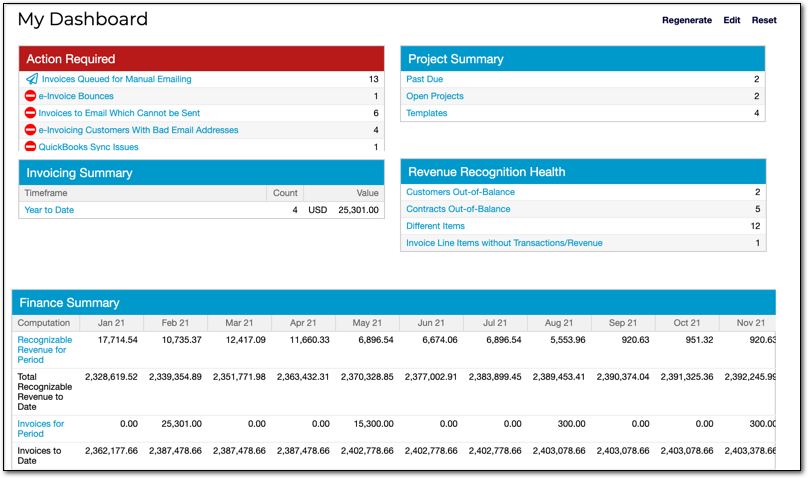
Best for: Finance-led SaaS teams focused on reporting and rev rec
Why it’s used: Strong financial operations and SaaS metrics.
Key strengths
- Subscription billing and invoicing
- Revenue recognition and SaaS reporting
- Designed for finance and accounting teams
Trade-offs
- Quoting and CPQ capabilities are limited
- Not optimized for real-time usage or AI monetization
- Often requires additional tools for sales workflows
When a quote-to-cash platform beats PandaDoc
You’ll almost always outgrow PandaDoc if:
- Pricing logic lives in spreadsheets or Slack
- Finance rebuilds every deal after signing
- Usage-based pricing is manual or estimated
- RevOps owns approvals but can’t enforce them upstream
- You’re selling AI or hybrid SaaS products
At that point, documents are just the output while pricing and revenue logic are the real system of record.
How to choose the right PandaDoc alternative
Use this checklist to avoid swapping one bottleneck for another:
- Start with the real problem: Signing, proposal speed, pricing complexity, approvals, or downstream billing?
- Map your deal types: New business vs renewals, amendments, ramp pricing, usage/hybrid, enterprise security clauses
- Pressure-test pricing flexibility: Bundles, tiering, minimum commits, multi-year ramps, discounts, and approvals
- Confirm CRM + finance integration: Salesforce/HubSpot + billing + revenue reporting alignment
- Check governance: Versioning, audit trails, role-based permissions, approval workflows
- Don’t ignore implementation reality: Who owns it (RevOps, Sales Ops, Finance), and how fast you need it live?
Frequently asked questions about PandaDoc alternatives
What is the best alternative to PandaDoc?
The best PandaDoc alternative depends on what you’re trying to solve. If you only need e-signatures, tools like DocuSign or Adobe Acrobat Sign are strong options. If pricing, approvals, or revenue workflows are the problem, a CPQ or quote-to-cash platform may be a better fit.
Why do companies switch from PandaDoc?
Most teams switch because PandaDoc is document-centric. As pricing becomes more complex or finance gets involved earlier, teams need stronger CPQ, approvals, or billing integration than a proposal tool can provide.
Is PandaDoc a CPQ tool?
No. PandaDoc supports quoting within documents, but it is not a full CPQ. It lacks advanced pricing logic, guided selling, multi-year ramps, and native support for usage-based or hybrid pricing models.
Do I need a PandaDoc alternative or a quote-to-cash platform?
If your main challenge is sending and signing documents, an alternative e-signature or proposal tool is enough. If deals break after signing—during billing, invoicing, or revenue recognition—you likely need a quote-to-cash platform instead of another document tool.
Can PandaDoc alternatives support usage-based pricing?
Most document and e-signature tools cannot handle usage-based or hybrid pricing natively. Teams selling SaaS or AI products with consumption pricing typically need CPQ or unified revenue platforms that support usage metering and billing downstream.
Choosing the right PandaDoc alternative for your business
PandaDoc is a solid tool for proposals and e-signatures, but it was never designed to own pricing, approvals, or revenue logic. That’s why so many teams end up searching for PandaDoc alternatives as soon as deals become more complex or finance gets involved earlier in the sales process.
The right alternative depends on what’s actually broken.
If signing documents is the bottleneck, an e-signature tool may be enough. If proposals are slowing your sales team down, proposal automation platforms can help. But if pricing, approvals, usage, or billing are causing friction after the deal is signed, swapping one document tool for another won’t fix the underlying problem.
For modern SaaS and AI companies, revenue doesn’t stop at the signature. Pricing models are evolving, usage-based billing is becoming the norm, and teams need confidence that what’s sold is what gets billed and recognized.
In those cases, moving toward CPQ or a unified quote-to-cash platform like Alguna can eliminate entire classes of errors, rework, and tool sprawl.
See a modern alternative to PandaDoc in action
If you’re evaluating PandaDoc alternatives because pricing, approvals, or billing are getting harder to manage, it may be time to look beyond document-first tools.
Book a short demo to see how Alguna replaces proposal tools, CPQ add-ons, and billing systems with a single, unified quote-to-cash platform.