AI agents aren’t just another product category, they’re an entirely new kind of labor. They write emails, qualify leads, handle support tickets, and soon, they’ll run entire workflows end-to-end (without humans in the loop).
As the topic of AI monetization continues to dominate the tech industry, one question has become impossible to ignore:
How do you price software that behaves like a worker, scales like infrastructure, and delivers value like a full team? 😅
Because here's the thing: Traditional SaaS pricing models break instantly.
This is why AI agent monetization models are emerging as one of the most important strategic levers in the next era of AI software.
These models determine adoption, revenue, and long-term defensibility for every company building with agents. They define how companies capture value from autonomous software and increasingly determine who will win in the AI agent economy.
What is an AI agent monetization model?
An AI agent monetization model is the pricing framework a company uses to charge for autonomous AI agents that perform tasks, make decisions, or complete workflows on behalf of a user or business.
Instead of pricing access to software (like traditional SaaS), an AI agent monetization model prices the value created by autonomous actions.
That value can be tied to:
- Tasks completed
- Outcomes delivered
- Time saved
- Workflows automated
- Data processed
- Economic impact generated
It’s how businesses turn autonomous AI behavior into revenue: by aligning price with the actions, outcomes, or productivity gains the agent produces.
Why AI agents need new monetization models
Monetizing AI agents isn’t the same as pricing traditional software. Because agents act autonomously, trigger multi-step workflows, and deliver measurable outcomes, legacy SaaS pricing models simply aren’t built for how they operate.
Here’s why new models are necessary:
- Traditional SaaS models fall short: Per-user and flat-fee pricing assume predictable human usage. AI agents, however, can execute thousands of micro-actions or entire workflows end-to-end. Treating them like software “seats” undervalues the actual work they perform.
- Variable costs and multi-event workflows: AI agents incur variable infrastructure costs (LLM calls, compute, storage) and generate complex, branching sequences of events. Handling a single support query, for example, may involve multiple model calls and data operations. Traditional pricing can’t capture this complexity or protect customers from unpredictable bills. Companies need AI data monetization strategies that meter small, high-volume events without creating cost anxiety.
- Outcome-oriented value: Customers increasingly care about results: problems solved, time saved, revenue generated. Since agents directly drive these outcomes, monetization is shifting toward pricing tied to measurable results rather than just access or usage. Paying per resolved ticket or per booked meeting, for instance, often better aligns with delivered value than flat SaaS fees.
- Need for AI-native flexibility: AI usage can spike unexpectedly, and capabilities evolve quickly. Static pricing models struggle in this environment. Teams are adopting usage-based, outcome-based, and hybrid pricing models to stay flexible.
Learn more
5 foundational AI agent monetization models
Companies generally use five core AI agent monetization models, often blending them to fit their product and customer needs. Below is a breakdown of each model, how it works, where it fits, and the pros and cons.
| Model | How it works | Pros | Cons | Examples |
|---|---|---|---|---|
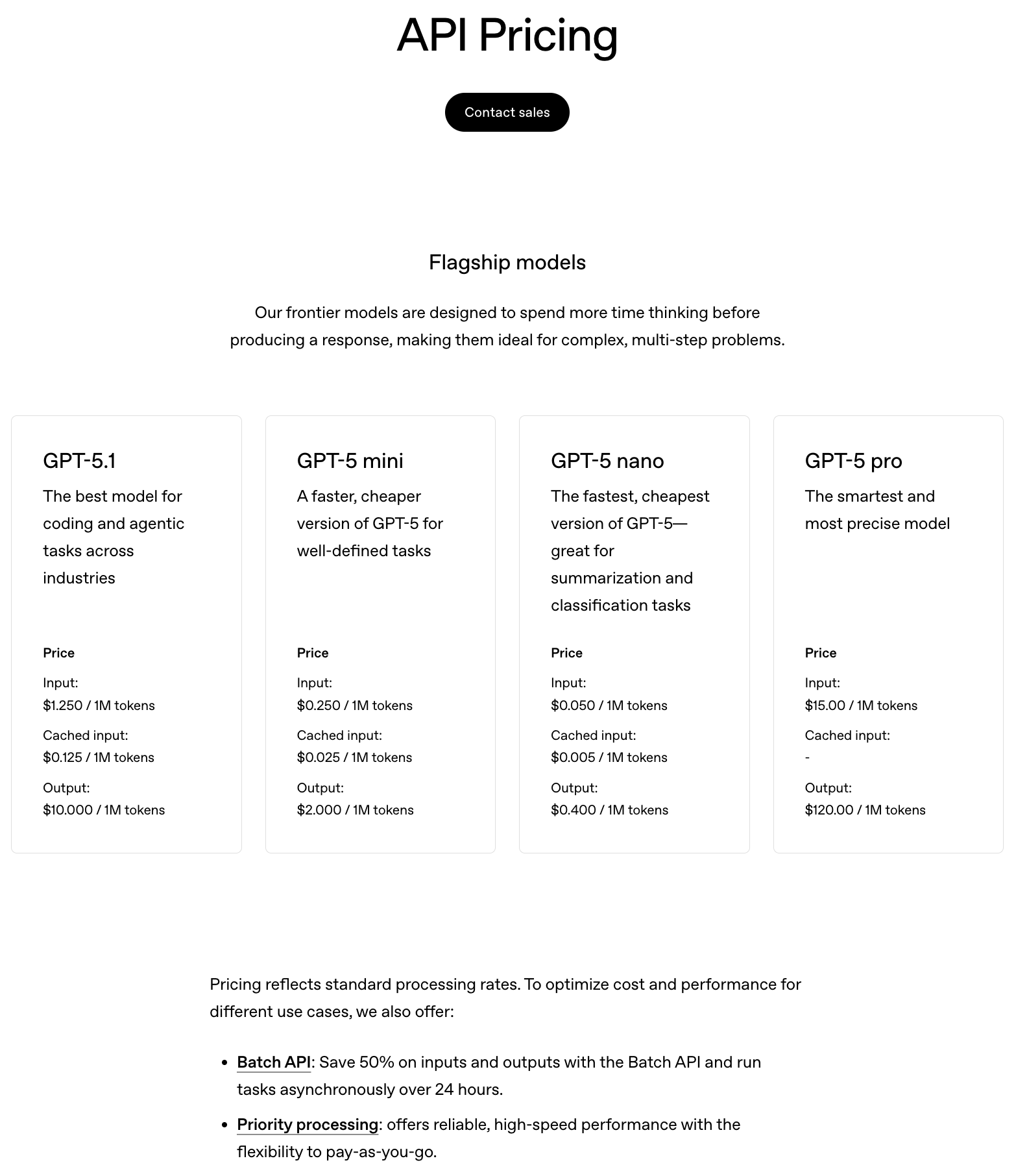
| Usage-based | Charges based on how much the agent is used (API calls, tokens, tasks, minutes of agent work). | Fair and flexible; customers pay only for what they use; ideal for variable workloads. | Bills can be unpredictable; technical metrics may feel abstract; they often require caps or dashboards. | OpenAI API (per token); Anthropic Claude (per token); AWS Bedrock, Vertex AI (per model call). |
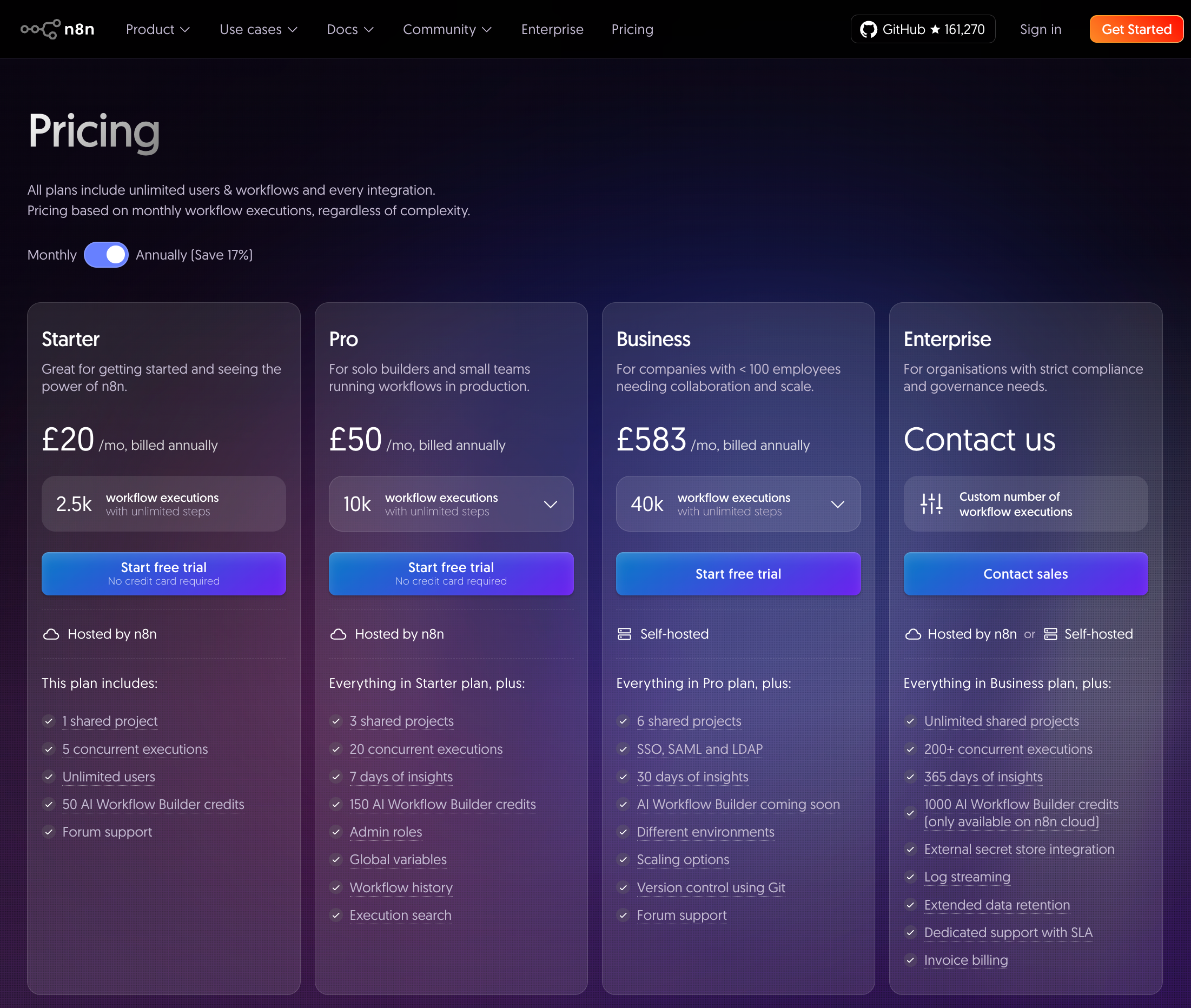
| Event-triggered | Bills per workflow run, automation, or discrete event triggered by the agent. | Easy to understand; cleaner invoices; bundles internal steps into one charge. | Hard to define events; complexity varies; risk of disputes. | n8n (per workflow); Zapier (per task); Intercom Workflows (automated interaction billing). |
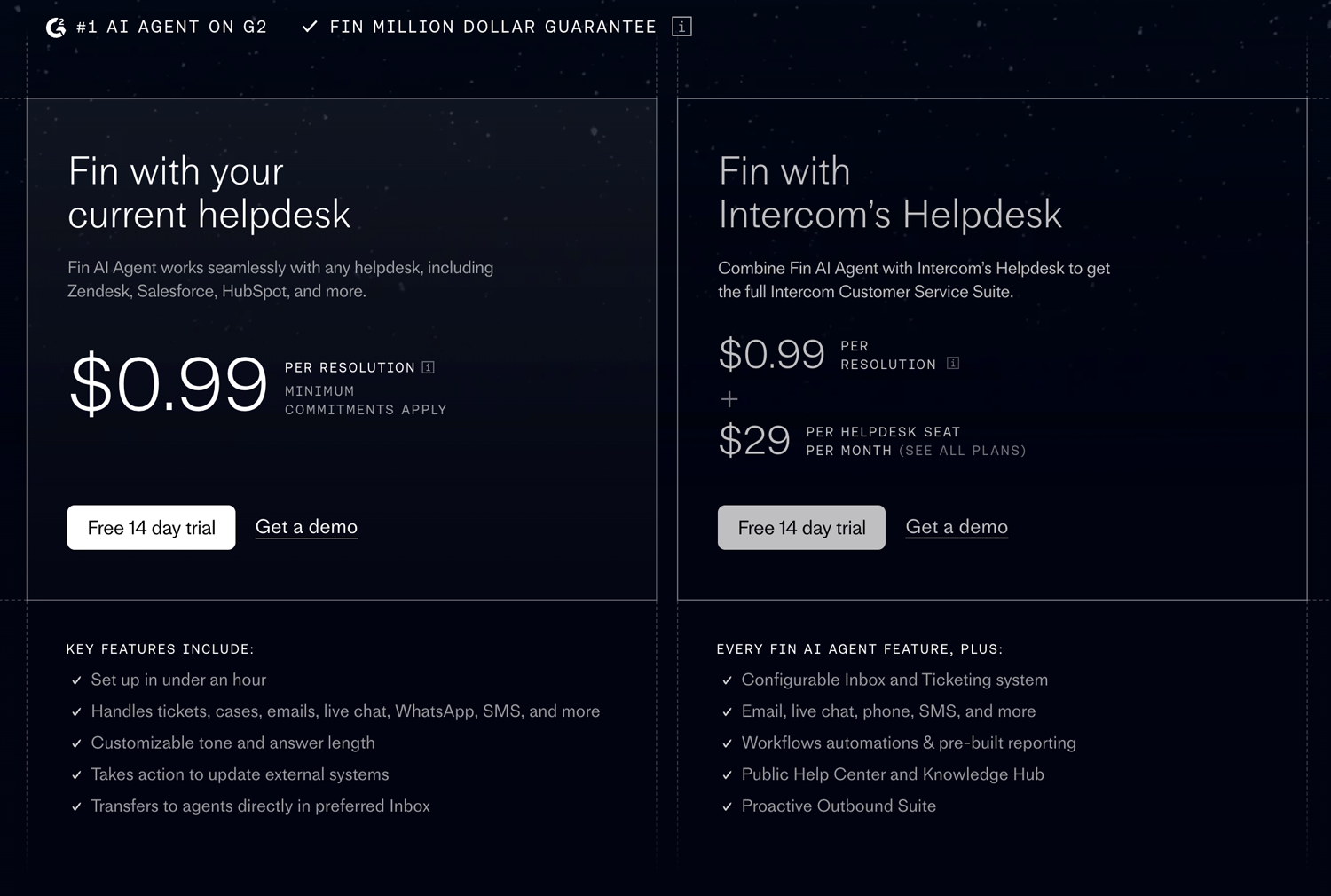
| Outcome-based | Charges only when the AI agent delivers a successful, measurable result. | Strong value alignment; builds trust; easy to forecast. | Vendor carries performance risk; requires verification; revenue variability. | Intercom Fin (per resolved conversation); Zendesk AI (per resolution); ZoomInfo/Apollo (per verified lead). |
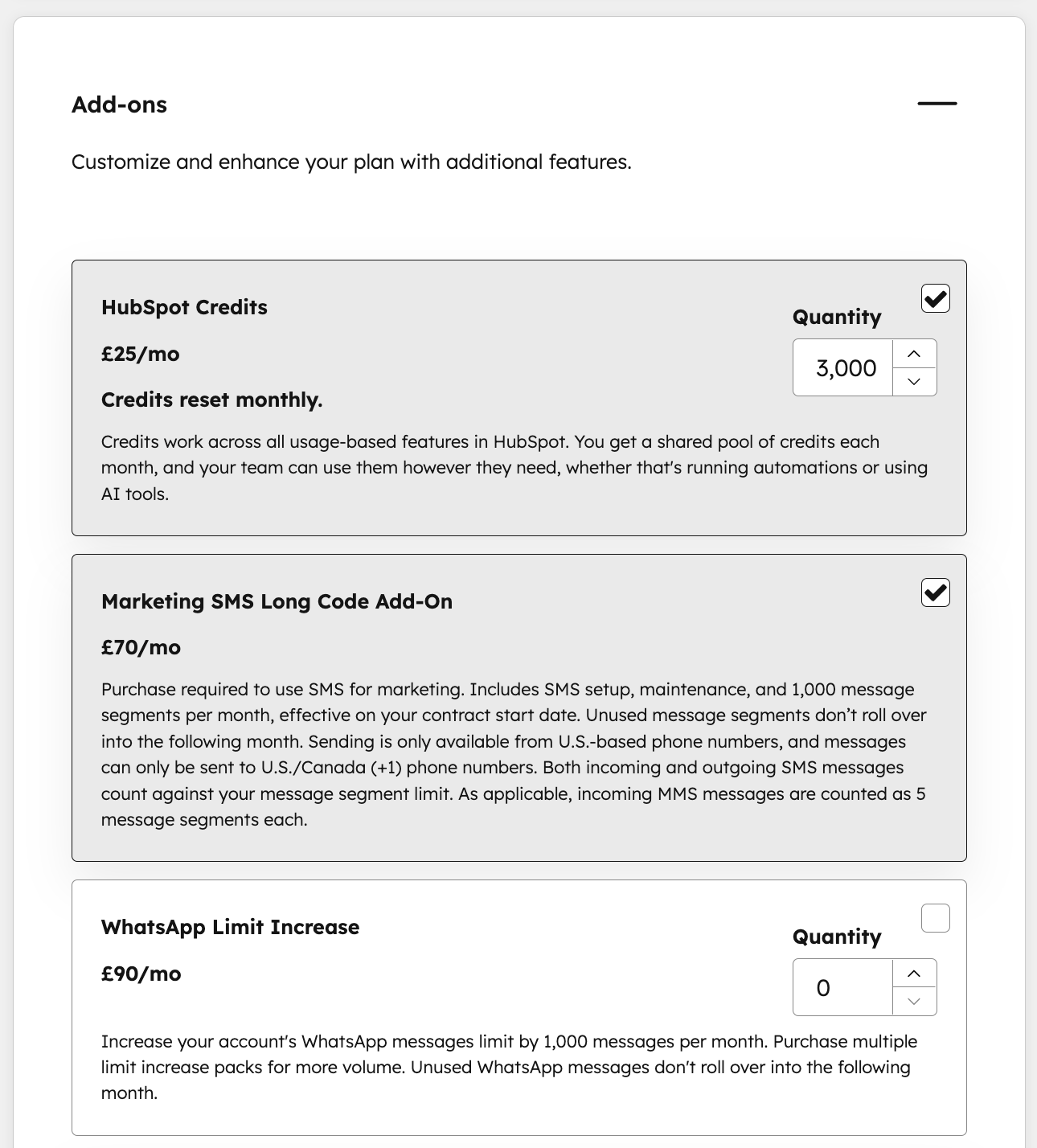
| Subscription + add-ons | Base subscription provides access or included usage; extra usage or premium features billed as add-ons. | Predictable recurring revenue; clear baseline cost; add-ons let heavy users scale. | Confusion over inclusions; overage frustration; SKU complexity. | Notion AI (paid add-on); Microsoft Copilot (subscription); HubSpot AI (tiered access + add-ons). |
| Hybrid | Mix of subscription, usage, and/or outcomes to balance predictability and scalability. | Balances flexibility and predictability; supports multiple segments; reduces bill anxiety. | Can become complex if over-engineered; requires clear communication. | OpenAI Enterprise (commit + usage); Writer (allowance + overages); AWS/GCP/Azure (commit + usage). |
1. Usage-based models
Usage-based pricing charges customers based on how much the AI agent is used. This usage could be per API call, per message, per thousand tokens, per task, or per minute of “agent work.”
👍 Pros:
- Fair and flexible, customers pay only for what they use
- Ideal for APIs and workloads with highly variable usage
- Low barrier to adoption
👎 Cons:
- Bills can be unpredictable, creating “meter-running” anxiety
- Technical metrics (tokens, calls) may feel abstract to buyers
- Often requires dashboards, caps, or allowances to build trust
Best for: APIs, high-volume tasks, early-stage products seeking adoption.
2. Event-triggered models
Event-based pricing charges per workflow run, automation, or discrete event triggered by the agent. It’s like usage-based pricing but at a higher, more meaningful abstraction.
👍 Pros:
- Simple for customers to understand (one workflow = one charge)
- Reduces noisy invoices by bundling internal actions
- Helps vendors absorb variable underlying costs
👎 Cons:
- Defining what counts as an “event” can be tricky
- Events can vary in complexity, which can lead to risks of over- or under-valuation
- Potential disputes if an event doesn’t produce useful output
Best for: Multi-step automations, workflow engines, and conversational AI.
3. Outcome-based models
Outcome-based pricing charges only when the AI agent achieves a successful, measurable result, i.e., “pay for results.”
Pros:
- Strongest alignment between price and delivered value.
- Builds trust as customers pay only for success.
- Easy to forecast (“X outcomes × $Y”).
Cons:
- Vendor carries more risk: no outcome = no revenue.
- Requires clear definitions and verification of outcomes.
- Can lead to revenue variability or edge-case disputes.
Best for: Support automation, sales automation, coding agents, and cybersecurity.
4. Subscription + add-on models
A base subscription provides predictable revenue, while usage or premium features are monetized as add-ons.
👍 Pros:
- Predictable recurring revenue for vendors.
- Gives customers a stable baseline cost.
- Add-ons allow heavy users to scale without paying for capacity upfront.
👎 Cons:
- Risk of confusion about what’s included.
- Overage charges can frustrate users if not communicated clearly.
- Managing many SKUs can complicate billing.
Best for: SaaS companies evolving into AI-first offerings, enterprise buyers, mixed-use cases.
5. Hybrid agentic models
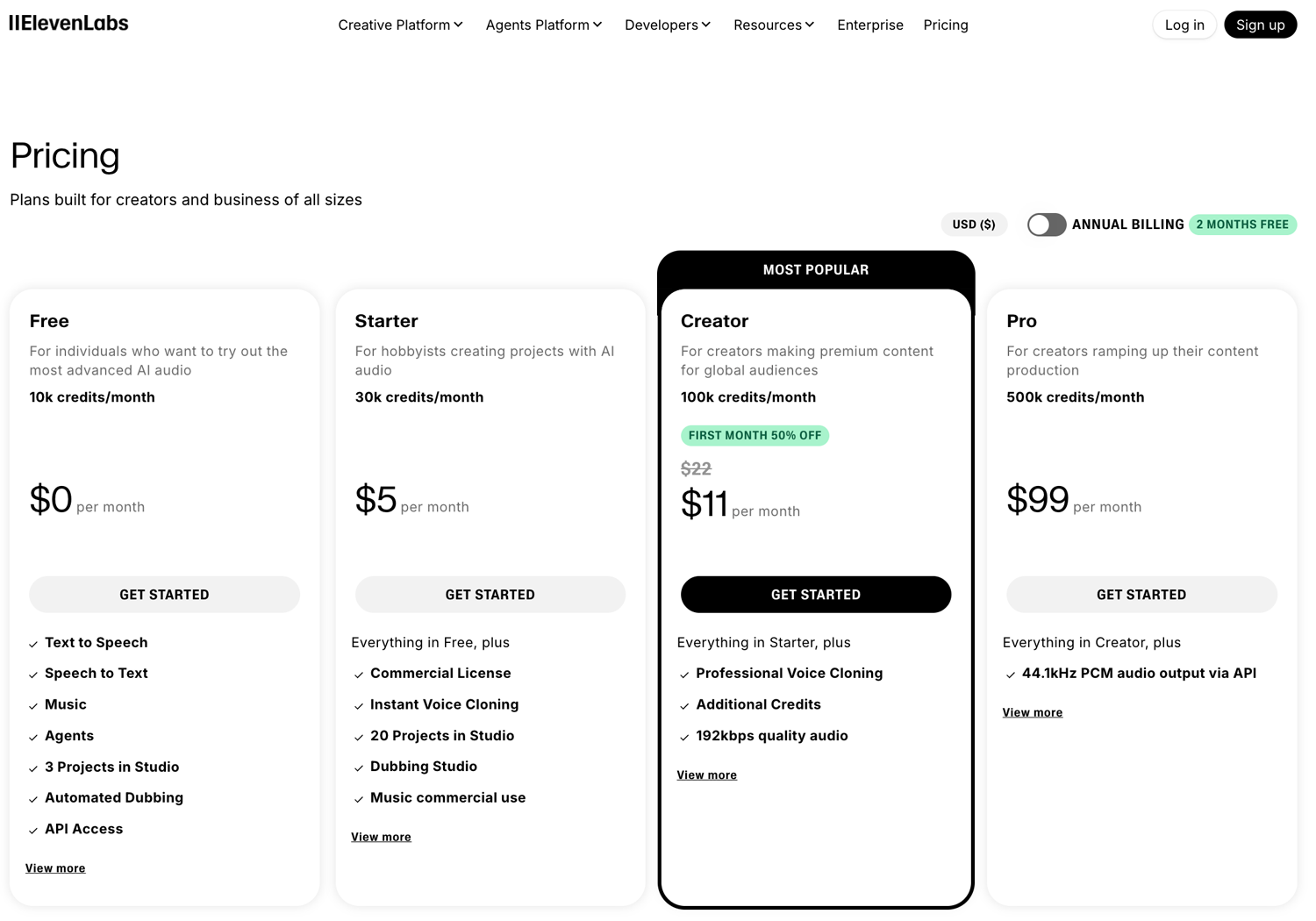
Most AI agent pricing ends up being hybrid, combining fixed and variable components to balance predictability and value capture.
👍 Pros:
- Balances predictability (subscription) with scalability (usage/outcome).
- Supports multiple customer segments.
- Reduces bill anxiety without sacrificing upside.
👎 Cons:
- It can become complex if over-engineered.
- Requires careful communication to keep pricing understandable.
Best for: Most AI products, especially those serving multiple customer types.
AI agent monetization models: Food for thought
In an ideal world, outcome-based pricing changes the relationship between customer and vendor:
👉 There's zero risk to trying out a new product
👉 The more you use the product, the more ROI you generate
👉 The vendor becomes 100% focused on delivering outcomes
👉 The vendor can get big $$$ since the upside is uncapped
The issue is attribution.
You want the customer to get a fantastic outcome -- and you want them to recognize that your product powered that outcome. As soon as you start charging for success, the customer begins to rethink the results. Did your product really drive the outcome? Or did *they* drive the outcome, with a small assist from the product?
Ensure that your product is able to own the service end-to-end and that you’re able to align on measurement upfront."
- Kyle Poyar, Growth Unhinged
Where support, billing, and ops agents all play a role.. but only one gets "credit" under outcome-based pricing.
That would get messy fast.
Attribution in multi-agent environments:
Hybrid model? Weighted outcomes? Something else entirely? 🤔 "
- Vlad gozman, CEO at involve.me
• Users hesitate because long-term costs feel unclear.
• Founders stay anxious because margins swing 5× faster than SaaS ever did.
In my conversations with early startups, one question came up repeatedly:
“Do we remove generation limits to accelerate adoption?”
If they opened the product, COGS exploded.
If they locked it down, activation died.
This is the moment every AI startup eventually runs into.
And here’s the part almost nobody wants to say out loud:
Traditional SaaS pricing is collapsing under AI’s value model.
The cost surface, value surface, and learning surface no longer match."
- Michelle P., Agentic AI Systems Builder
Companies that master AI agent monetization will win the next decade
AI agents aren’t a feature upgrade—they are the new labor force. And as Manny Medina has suggested, entire departments will soon be orchestrating fleets of agents, not teams of people. Companies that nail AI agent monetization models today will capture disproportionate value tomorrow.
If you’re building with agents, don’t default to old SaaS pricing. The winners will be the ones who:
- Price to value
- Offer predictability
- Align cost with compute
- Build hybrid usage-plus-subscription structures
- Adapt pricing as agents take over more workflows
The shift is already happening. Move fast or risk re-pricing your entire business under pressure once agents become your customers’ primary operators.